


Tarwi is a legume that has been cultivated in the Andes for more than fifteen hundred years and is almost unknown outside of it. That obscurity is not a reflection of its quality. By dry weight, tarwi carries 50 percent protein — comparable to soybeans and roughly double what you get from chickpeas or lentils — while containing very little starch. It fixes its own nitrogen, grows on marginal soil at altitudes where most crops fail, and provides all nine essential amino acids.
It also cannot be eaten straight off the plant. Raw tarwi is intensely bitter and genuinely unsafe, and the traditional multi-day soaking process that makes it edible is the single most important thing to understand about this bean. That combination, extraordinary nutrition behind a real processing barrier, explains both why Andean farmers have grown it for millennia and why the rest of the world has not.
This guide covers what tarwi is, what is actually in it, what the research does and does not support, how debittering works and why it matters, and how to cook it.
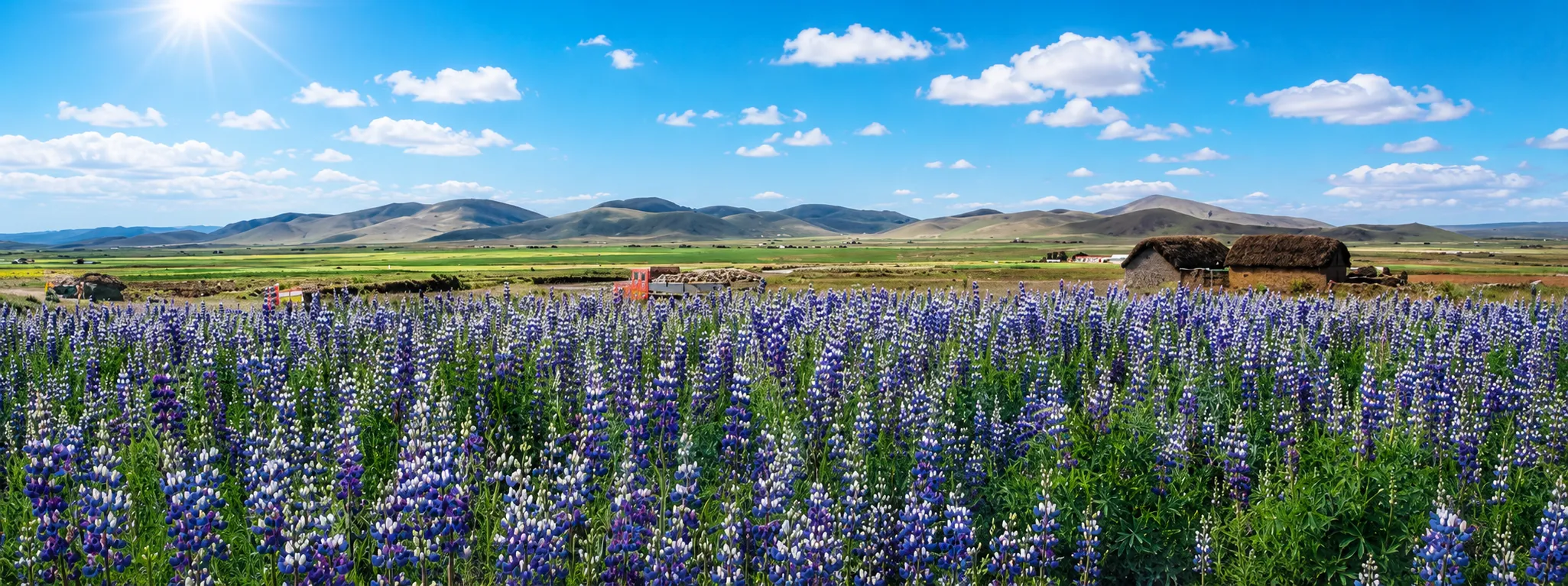
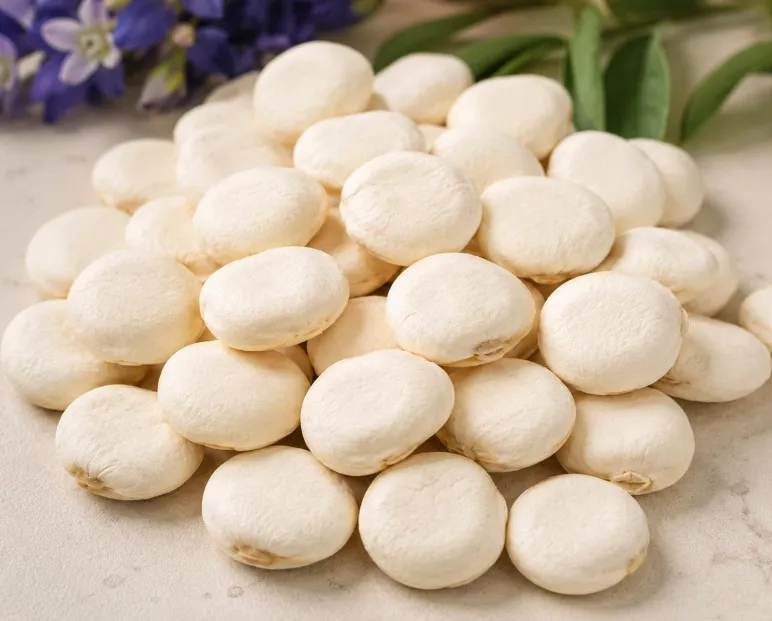
Tarwi (Lupinus mutabilis) is a flowering legume native to the Andean highlands of Peru, Ecuador, and Bolivia, grown for its edible seed. It belongs to the lupin genus, the same group as the ornamental lupines in garden borders, and to the broader Fabaceae family that includes beans, peas, lentils, and peanuts.
The seed is flat and round, roughly the size of a large coin, and pale cream to ivory when processed. Cooked, it has a firm, almost crunchy bite that holds up in liquid far better than most beans, and a clean, mildly nutty, faintly savory flavor.
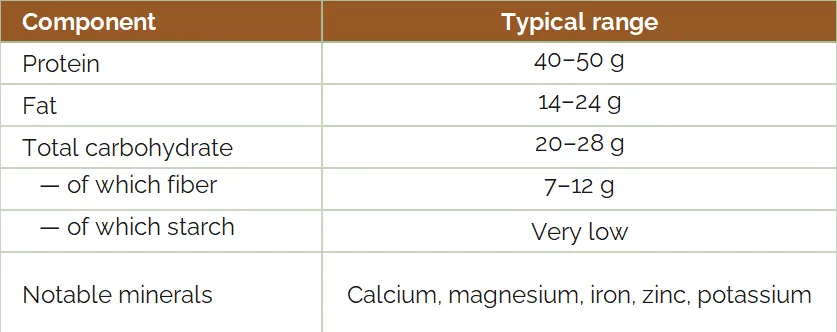
Two facts distinguish it from every other legume on a supermarket shelf. First, the protein density: tarwi averages around 42 percent protein by dry weight, with some ecotypes measured above 50 percent, placing it alongside soy at the top of the plant-protein hierarchy. Second, the near-absence of starch. Most legumes are protein and carbohydrate; tarwi is overwhelmingly protein, fat, and fiber. That ratio is what makes it interesting to anyone tracking carbohydrates, and it is genuinely unusual, soy is the only other common legume with a comparable profile.
Tarwi (Lupinus mutabilis) is a flowering legume native to the Andean highlands of Peru, Ecuador, and Bolivia, grown for its edible seed. It belongs to the lupin genus, the same group as the ornamental lupines in garden borders, and to the broader Fabaceae family that includes beans, peas, lentils, and peanuts.
The seed is flat and round, roughly the size of a large coin, and pale cream to ivory when processed. Cooked, it has a firm, almost crunchy bite that holds up in liquid far better than most beans, and a clean, mildly nutty, faintly savory flavor.
Two facts distinguish it from every other legume on a supermarket shelf. First, the protein density: tarwi averages around 42 percent protein by dry weight, with some ecotypes measured above 50 percent, placing it alongside soy at the top of the plant-protein hierarchy. Second, the near-absence of starch. Most legumes are protein and carbohydrate; tarwi is overwhelmingly protein, fat, and fiber. That ratio is what makes it interesting to anyone tracking carbohydrates, and it is genuinely unusual, soy is the only other common legume with a comparable profile.
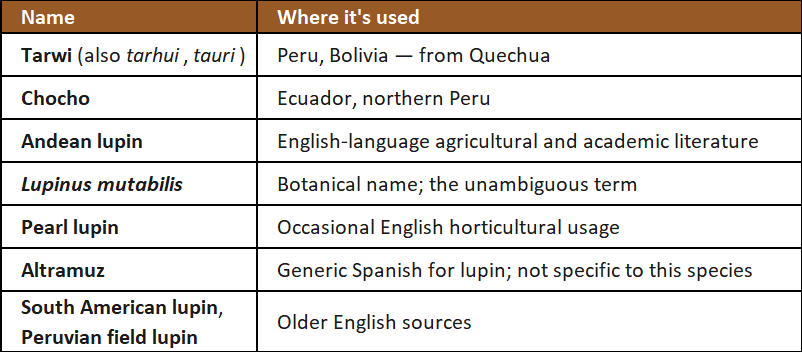
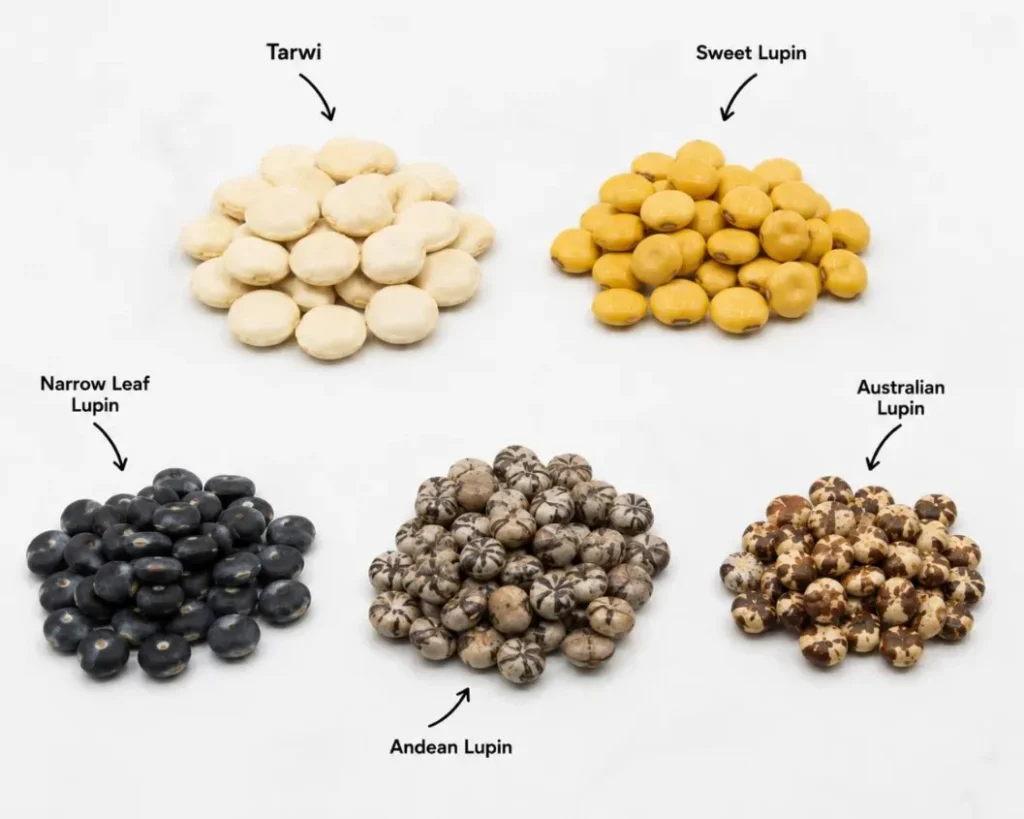
Lupini beans — the brined, snackable beans sold in Italian and Portuguese delis and increasingly in American grocery stores — are usually Lupinus albus, white lupin, a Mediterranean species. Tarwi is Lupinus mutabilis, a separate species domesticated on a different continent. They are relatives, not variants.
The differences are real:
Lupini beans — the brined, snackable beans sold in Italian and Portuguese delis and increasingly in American grocery stores — are usually Lupinus albus, white lupin, a Mediterranean species. Tarwi is Lupinus mutabilis, a separate species domesticated on a different continent. They are relatives, not variants.
The differences are real:
Tarwi’s protein quantity is not in dispute. Its protein quality deserves an honest answer, because this is where a lot of tarwi marketing overreaches.
Tarwi contains all nine essential amino acids, so calling it a complete protein is fair. But like most legumes, lupin protein is relatively limited in the sulfur-containing amino acids — methionine and cystine. Soybeans are somewhat higher across the essential amino acids generally, particularly threonine, leucine, and lysine.
This is not a problem in a normal diet. Grains are rich in exactly the amino acids lupins are short on, which is precisely why Andean cuisine pairs tarwi with maize and quinoa — a complementary-protein pattern that traditional food cultures arrived at without needing the biochemistry. But if you see tarwi described as nutritionally superior to soy in every respect, that claim does not survive contact with the amino acid data.
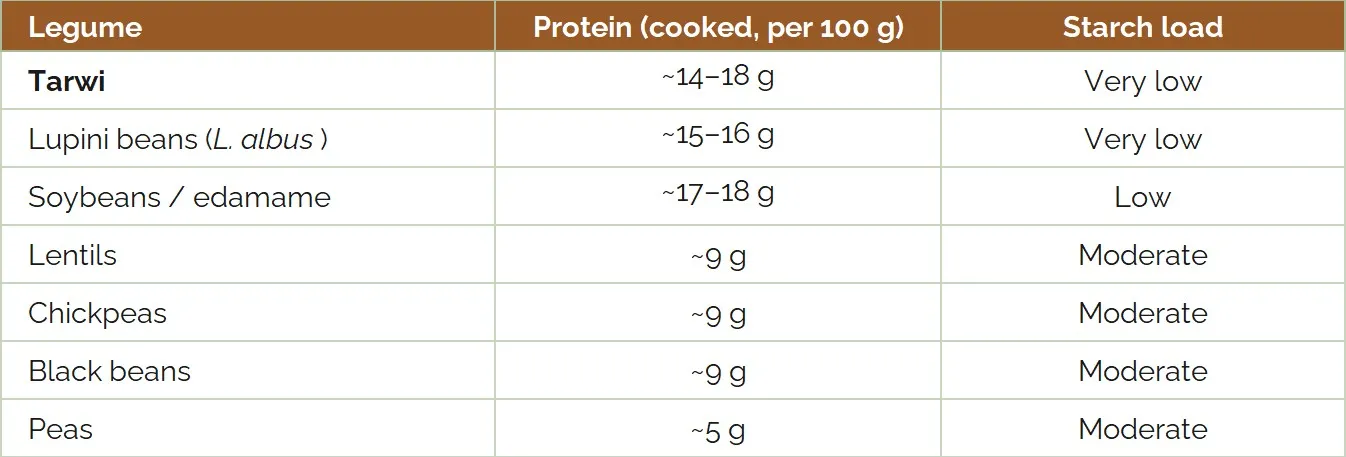
Where tarwi stands out is the protein-to-carbohydrate ratio. Against the legumes most people actually eat, tarwi delivers roughly double the protein with a fraction of the starch. Protein density per gram of carbohydrate is a stronger and far more defensible claim than “most protein of any legume” — and it is the one worth building on.
Fiber
Tarwi is high in fiber, and the fiber is largely insoluble non-starch polysaccharide from the seed coat and cell walls. Practically, that means it contributes to stool bulk and gut transit, and it acts as substrate for gut bacteria. The combination of high fiber with low starch is the reason tarwi produces such a modest blood-glucose response.
Fat
Unusually for a legume, tarwi is fat-rich — mostly unsaturated, including oleic and linoleic acids, with a modest amount of alpha-linolenic acid. This is worth knowing for two reasons. It means tarwi is more calorie-dense than lentils or black beans. And it means tarwi flour behaves differently in baking than defatted legume flours, and has a shorter shelf life before the oils oxidize.
Micronutrients
Tarwi supplies meaningful calcium, magnesium, iron, and zinc. As with all legumes, the iron is non-heme and less readily absorbed than iron from meat; pairing tarwi with a vitamin C source improves uptake.
Tarwi-specific clinical research is thin — this is an under-studied crop. Most of the human evidence concerns lupin generally, predominantly L. albus and L. angustifolius. That evidence is reasonably encouraging, and it is reasonable to expect it broadly applies to tarwi given the compositional similarity. It is not the same as having trials on tarwi itself, and this page will say so rather than blur the distinction.
Blood glucose and insulin
This is the best-supported area. In a randomized crossover trial, lupin supplementation blunted the post-meal rise in blood glucose to an extent comparable to whey protein — a roughly 54 percent reduction in the first 60 minutes for lupin, against 46 percent for whey. Separate work found that lupin and soy both acutely reduced glycemia in people with type 2 diabetes.
Notably, lupin protein appears to reduce glycemia in people with dysglycemia but not in people with normal blood sugar — an effect specific to those who need it. Animal work has additionally shown lupin protein isolate improving insulin sensitivity.
Cholesterol and heart health
Lupin’s high fiber content and protein composition have been associated with reductions in LDL cholesterol in several studies. The mechanism is unremarkable and well understood: soluble and insoluble fiber reduce fat absorption in the gut and increase bile acid excretion. This is a real but modest effect, of the kind you would expect from adding any high-fiber legume to a diet.
GLP-1 and appetite: what can and cannot be claimed
Some tarwi products now market themselves on activating the body’s GLP-1 response. Here is the accurate version.
GLP-1 is an incretin hormone released by the gut in response to food, and it is involved in satiety and insulin secretion. Dietary protein and fiber both stimulate GLP-1 secretion — this is established physiology, not controversial. A high-protein, high-fiber, low-starch food like tarwi will plausibly produce a stronger GLP-1 response than a low-protein snack.
What has not been established is any tarwi-specific GLP-1 effect measured in a human trial, or any effect remotely comparable in magnitude to GLP-1 receptor agonist medications. Those drugs produce pharmacological receptor activation; a bean produces normal postprandial hormone release. Conflating the two is misleading, and food companies making that comparison are on thin ice both scientifically and with regulators.
The defensible claim is simpler and still good: tarwi is high in protein and fiber and low in starch, a combination that promotes satiety and a modest glycemic response.
Gut health
Tarwi’s fiber functions as a prebiotic substrate for colonic bacteria. As with any sudden increase in legume fiber, introducing tarwi quickly can cause gas and bloating; increasing gradually avoids most of it.
Tarwi seeds contain quinolizidine alkaloids — principally lupanine and sparteine — as a chemical defense against insects and grazing animals. They are ferociously bitter, and at sufficient dose they are toxic to humans, producing anticholinergic symptoms: dry mouth, blurred vision, dizziness, confusion, rapid heartbeat. Cases of lupin poisoning are documented in the medical literature, generally traceable to inadequately processed beans.
Raw tarwi is bitter enough that accidentally eating a harmful quantity is difficult — your palate objects strenuously and immediately. Real poisoning cases tend to involve someone deliberately pushing through the bitterness, or beans that were partially processed and therefore tasted acceptable while still carrying a significant alkaloid load. That second scenario is the dangerous one.
Tarwi must be debittered before eating. This is not optional, and heat alone does not accomplish it — quinolizidine alkaloids are water-soluble but heat-stable, so boiling without repeated water changes does not remove them.
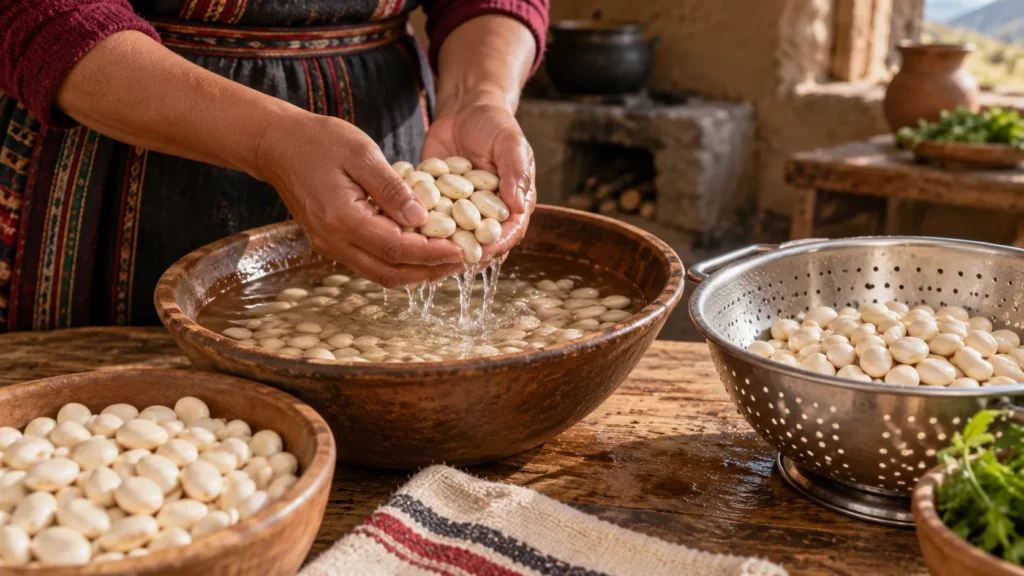
The Andean method is thousands of years old and is essentially aqueous extraction:
1. Soak the dry seeds in water, typically overnight, to hydrate them.
2. Boil briefly to soften the seed coat and open the tissue.
3. Rinse and soak repeatedly in fresh cold water — traditionally in running water, historically in a mesh sack placed in a stream — with the water changed many times over 48 hours or more, sometimes considerably longer.
4. Taste to confirm. The endpoint is the disappearance of bitterness. This is the traditional test and it is a reasonably good proxy: alkaloids are detectable by taste at low concentrations.
Research on the aqueous process confirms it works. After proper aqueous debittering of Lupinus mutabilis, only trace quantities of lupanine and sparteine remain — on the order of 0.001 g per 100 g of dry matter — with no other alkaloids detectable.
Plant breeders have developed low-alkaloid “sweet” lupin varieties that need little or no debittering, and these underpin the Australian lupin industry. Breeding programs across Ecuador, Peru, and Bolivia have pursued the same goal for L. mutabilis.
Progress has been slower than hoped, for a reason worth appreciating: the alkaloids are the plant’s pest defense. Breed them out and you get a bean that is easier to process and considerably more attractive to insects and disease — anthracnose in particular is a serious constraint on tarwi cultivation. The bitterness is not a flaw in the crop; it is part of why the crop survives at altitude with minimal inputs. Most tarwi in commerce is still bitter-variety seed that has been debittered after harvest.
Anyone with a peanut allergy should approach lupin with real caution. Cross-reactivity between lupin and peanut is well documented, with sensitization reported in roughly 15 to 20 percent of people with known peanut allergy — and reported cross-reactivity rates across studies ranging from about 5 to 37 percent. In one oral food challenge study, 4 of 9 peanut-allergic patients reacted to lupin. Lupin allergy can also occur independently, without any peanut or soy allergy.
There is a regulatory gap here that consumers should know about. In the EU, lupin is one of 14 allergens that must be declared on packaging. The FDA does not classify lupin as a major allergen, so it is not required to be labeled in the United States — meaning lupin flour can appear in gluten-free baked goods, pasta, and protein products without prominent disclosure. Documented case series describe severe systemic reactions after people consumed foods containing unlabeled lupin flour.
If you have a peanut allergy and want to try tarwi, talk to an allergist first.
Beyond allergy: tarwi is fat- and fiber-dense, so introduce it gradually, and be aware it is more calorie-dense than most beans.
Tarwi is a genuinely impressive crop agronomically, and the sustainability case for it is not marketing.
It fixes its own nitrogen. Like other legumes, tarwi forms a symbiosis with soil bacteria that converts atmospheric nitrogen into plant-available form. The quantities are substantial: subsequent crops in the same soil can benefit from an estimated 60 to 140 kg of nitrogen per hectare, with some sources putting annual fixation as high as 120 to 160 kg N/ha. In Andean rotation systems tarwi functions as a soil-restoring crop between plantings of potatoes or cereals — it feeds people and fertilizes the field.
It grows where little else will. Tarwi is cultivated across a wide altitude band, commonly cited from around 800 m up to 3,000–3,300 m, with much production concentrated between 2,500 and 3,500 m. It tolerates cold, low-fertility soils, and marginal conditions that would defeat most crops. Mature plants withstand frost, though seedlings are sensitive to low temperatures.
Production is still small. Peru harvested roughly 11,000 hectares in 2020, producing about 15,000 metric tons, with over 30,000 farming families deriving income from the crop according to agricultural census data. Ecuador grows roughly 6,000 hectares across the Sierra provinces — Cotopaxi, Chimborazo, Pichincha, Bolívar, Tungurahua, Carchi, and Imbabura. Yields remain modest; Bolivian national average yield has been reported around 648 kg/ha.
For context, that entire multi-country production is a rounding error against global soy. Tarwi is a crop with strong fundamentals and almost no scale — which is the actual reason you have not heard of it.
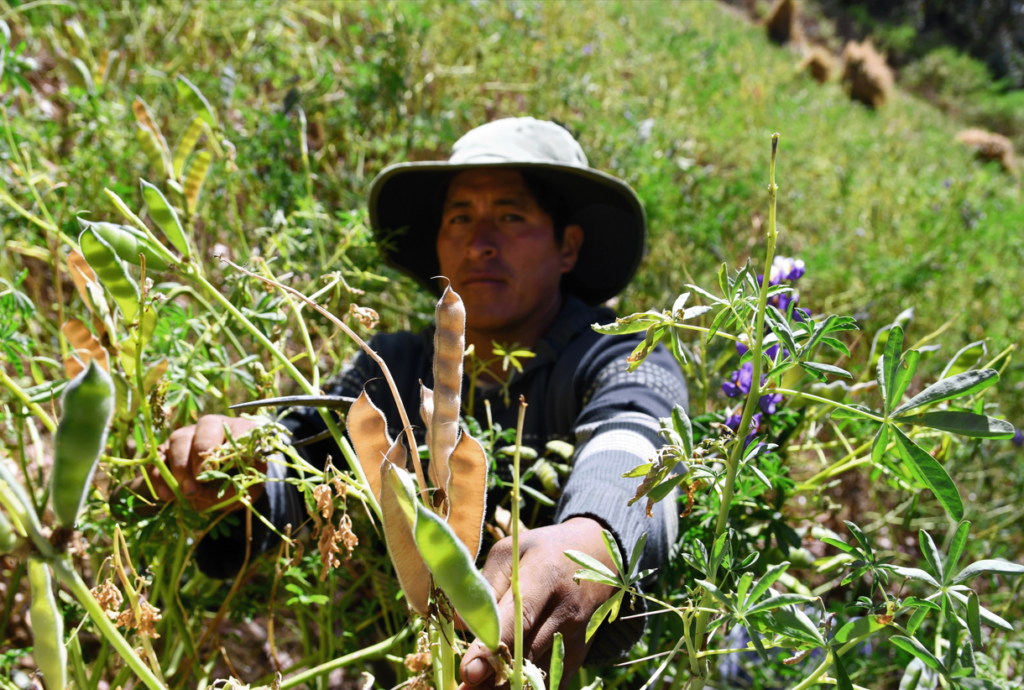
Tarwi was domesticated in the Andes well over a thousand years ago — pre-Incan, with archaeological evidence pointing to cultivation and consumption by the Nazca and Tiwanaku cultures. By roughly 1500–1000 BC, lupin was among the legumes forming part of the altiplano agricultural economy. The earliest seeds identifiable as domesticated tarwi rather than wild lupin come from a site in Peru’s Mantaro Valley.
Under the Inca, tarwi sat alongside quinoa, potatoes, and maize as a staple of the agricultural system that sustained the empire. Its role was partly nutritional and partly agronomic: the protein complemented the starch staples, and the nitrogen fixation sustained the terraced fields.
If you are cooking from dry, unprocessed seed, follow the full debittering protocol above and taste to confirm before eating. Do not shortcut it.
1. Ask about alkaloid testing. The regulatory benchmark is 200 mg/kg total quinolizidine alkaloids. A serious producer can tell you their testing method and typical results. This is the most important question and most sellers will not have an answer.
2. Check the form. Brined and jarred is closest to traditional; freeze-dried is shelf-stable and higher in protein per gram; dry raw seed requires you to debitter it yourself.
3. Check the species. If a label says only “lupini beans,” it is probably L. albus, not tarwi. Tarwi should say tarwi, chocho, or Lupinus mutabilis.
4. Check sodium on brined products. Brining is a salt process and levels vary widely.
5. Look for sourcing specifics. Named region and producer relationship is a reasonable proxy for a supply chain someone is paying attention to.
No. Lupini beans are usually Lupinus albus, a Mediterranean species. Tarwi is Lupinus mutabilis, domesticated in the Andes. They are related but distinct species, and tarwi is higher in both protein and fat.
No. Raw tarwi contains quinolizidine alkaloids that are bitter and, at sufficient dose, toxic. It must be debittered by repeated soaking and rinsing in water — usually 48 hours or more — before it is safe to eat. Boiling alone does not remove them.
Roughly 40 to 50 percent of dry weight, varying by ecotype and growing altitude, averaging around 42 percent. Cooked, that works out to about 14 to 18 g of protein per 100 g.
They are comparable. Tarwi is in the same tier as soybeans for total protein, and soy is slightly higher in several essential amino acids. Tarwi’s genuine advantage is its protein-to-carbohydrate ratio — similar protein, less starch.
Its starch content is very low, which makes it one of the few legumes compatible with low-carbohydrate eating. Check the label on brined products for added ingredients.
Approach with caution and consult an allergist. Lupin cross-reacts with peanut in a significant minority of peanut-allergic people. Note that unlike the EU, the US does not require lupin to be declared as an allergen.
The Andean highlands of Peru, Ecuador, and Bolivia, mainly between about 2,500 and 3,500 metres, though it is cultivated from around 800 m upward.
Mild, nutty, faintly savory, with a firm, almost crunchy texture that holds up in liquid. Properly debittered tarwi should not taste bitter at all — bitterness means it needs more processing.
Yes, it is a legume and contains no gluten. Tarwi flour is used in gluten-free baking, which is also one of the routes by which unlabeled lupin reaches allergic consumers in the US.
We’ve received your information, and a member of our team will be in touch to learn more about your
needs and discuss how Tarwi could work for your business.