Cultivated for fifteen hundred years, tarwi is a nutritional treasure of the Andes unlike any other crop. Until recently, it was virtually unknown outside of South America.
What Is Tarwi, and Where It Comes From
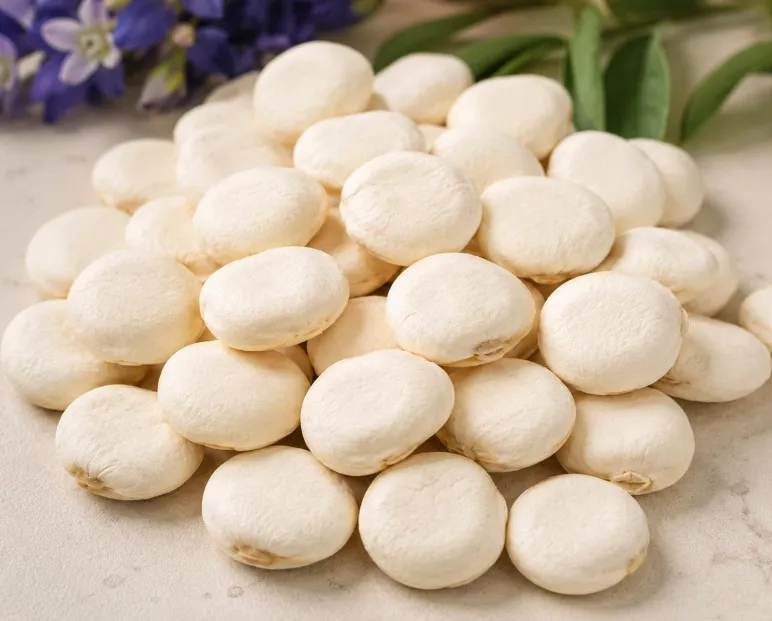
Tarwi (Lupinus mutabilis), known as chocho in Ecuador and Andean lupin in English, is a legume domesticated in the highlands of Bolivia, Peru, and Ecuador. Tarwi has been a staple of the Andean diet for centuries, eaten alongside maize, quinoa, and potatoes. Paired with those grains, it served as the main protein in a way of eating built almost entirely on plants, at altitudes where the body burns more, and the growing season is short. It also supplied calcium, phosphorus, magnesium, iron, and zinc, the minerals that build and maintain bone and teeth. Andean communities sustained hard physical labor at eleven thousand feet on this diet for centuries.
Why Is Tarwi Considered the Superfood King?
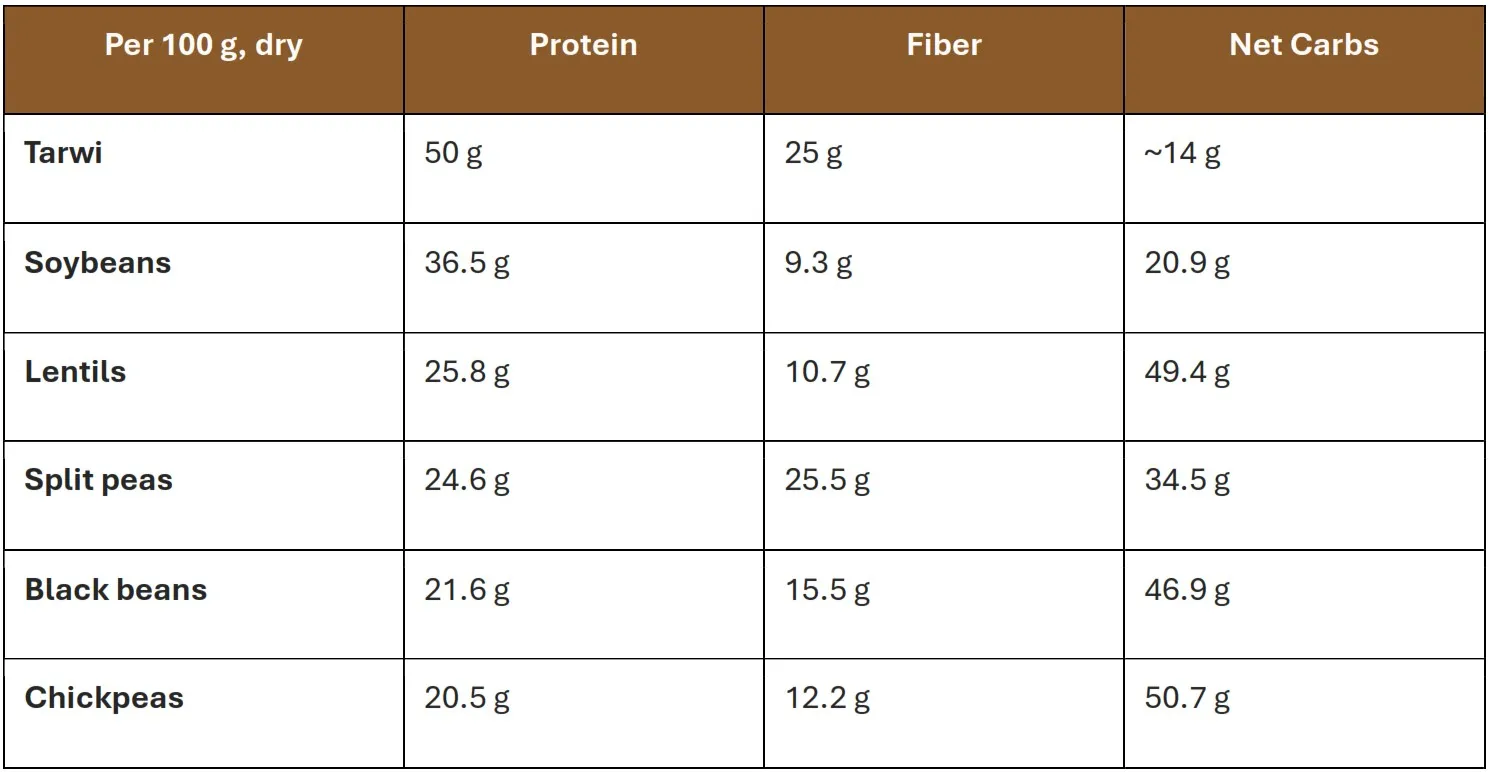
Tarwi contains up to 50% protein by dry weight, a figure no other plant protein source matches. It contains all nine essential amino acids and is exceptionally high in fiber, contributing to digestion, satiety, and gut health. One of its most unusual features is that it carries almost no carbs. Nearly every legume combines protein with significant amounts of carbohydrates, tarwi is protein, fat, and fiber, with very few net carbs. Combined with a low glycemic index, that makes it one of the very few whole plant foods that fits a low-carbohydrate diet without compromise.
Not All Lupins Are the Same Bean
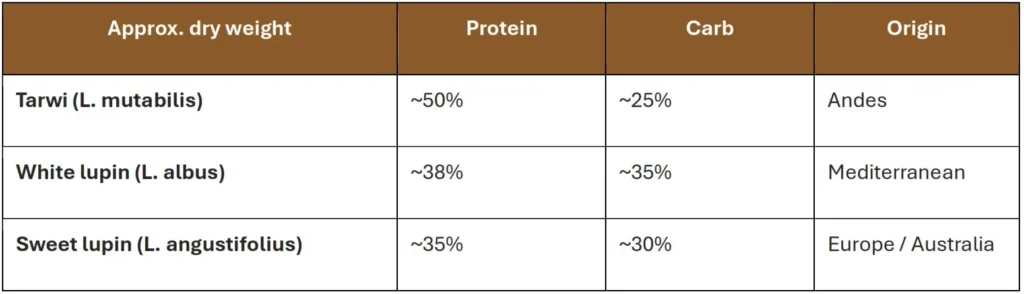
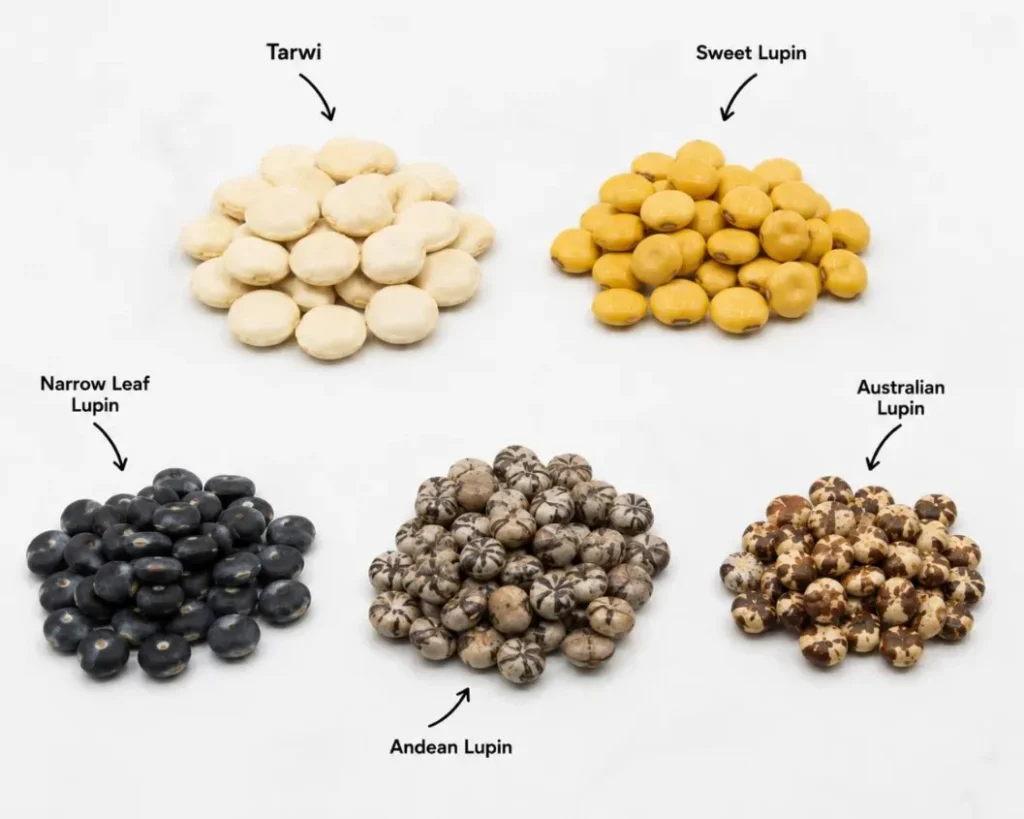
Tarwi’s nutritional advantage becomes even clearer when it is compared with its closest relatives. Three lupin species are commonly grown for food: tarwi, white lupin, and sweet lupin. Most consumers are familiar only with white lupin, the source of the Italian lupini bean, or the sweet lupin used widely in Australian food products. Tarwi contains more protein and fat than either, while providing substantially fewer digestible carbohydrates.
Not All Lupins Are the Same Bean
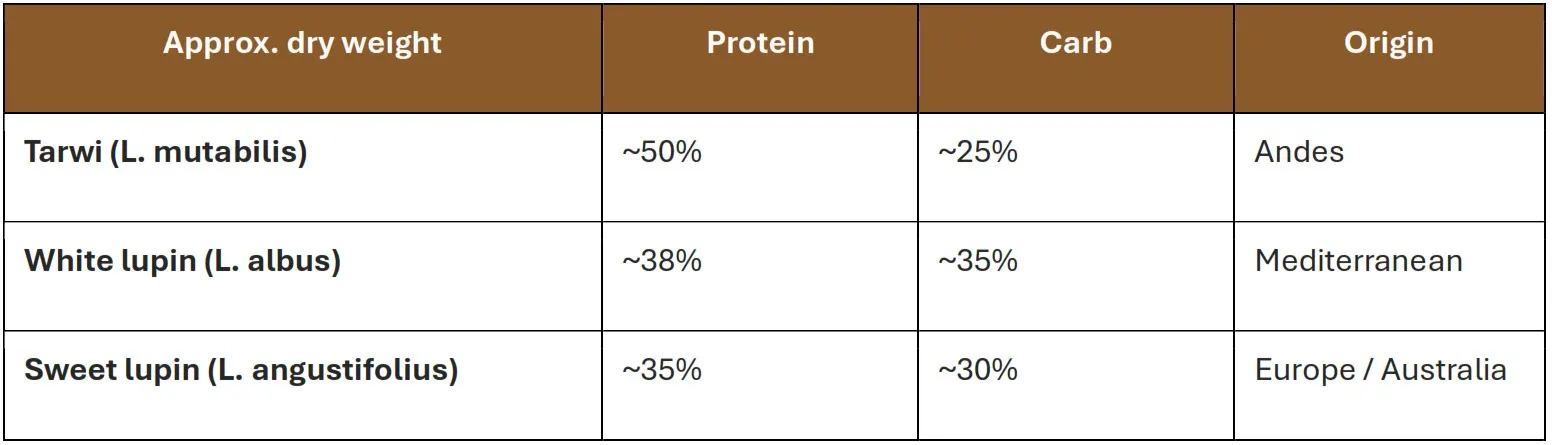
Tarwi’s nutritional advantage becomes even clearer when it is compared with its closest relatives. Three lupin species are commonly grown for food: tarwi, white lupin, and sweet lupin. Most consumers are familiar only with white lupin, the source of the Italian lupini bean, or the sweet lupin used widely in Australian food products. Tarwi contains more protein and fat than either, while providing substantially fewer digestible carbohydrates.
What You Can Do With It
Tarwi is unusually versatile for a legume, because it holds its shape, and its flavor is mild enough to disappear into a formulation.
Straight, as a snack Firm, nutty, faintly savory, and freeze-dried for a crunchy bite. High protein and high fiber ina form that requires no preparation.
As a powder Milled tarwi works in smoothies, baking, and protein blends without the chalky aftertaste of many isolates. As a whole-food ingredient, it provides protein along with fiber and micronutrients. For recipes, replace 35-75% of traditional flour with tarwi powder to add tarwi’s nutritional benefits to your favorite recipes.
As a base ingredient This is where tarwi becomes interesting to food manufacturers. Protein bars, high-protein snacks, plant-based formulations, and meat alternatives all need protein density without carbohydrate load, and increasingly need a clean label.
Why You Haven't Seen It — and What Changed
Tarwi has one obstacle: raw tarwi is intensely bitter. The plant produces alkaloids as a defense against insects, and they have to be removed before the bean is edible. You cannot cook them out; they only leave in water. The traditional Andean method is to soak, boil, then rinse and re-soak in fresh cold water for several days, historically in a mesh sack anchored in a running river.
That is a beautiful process — and an impossible business.
Sumaj Yapay is what changed.
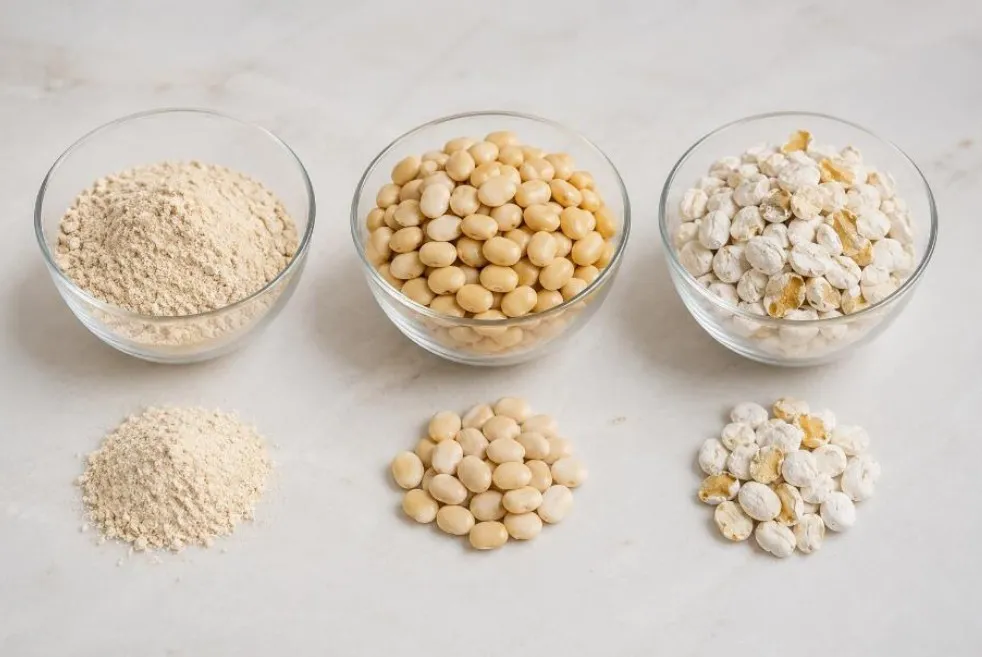
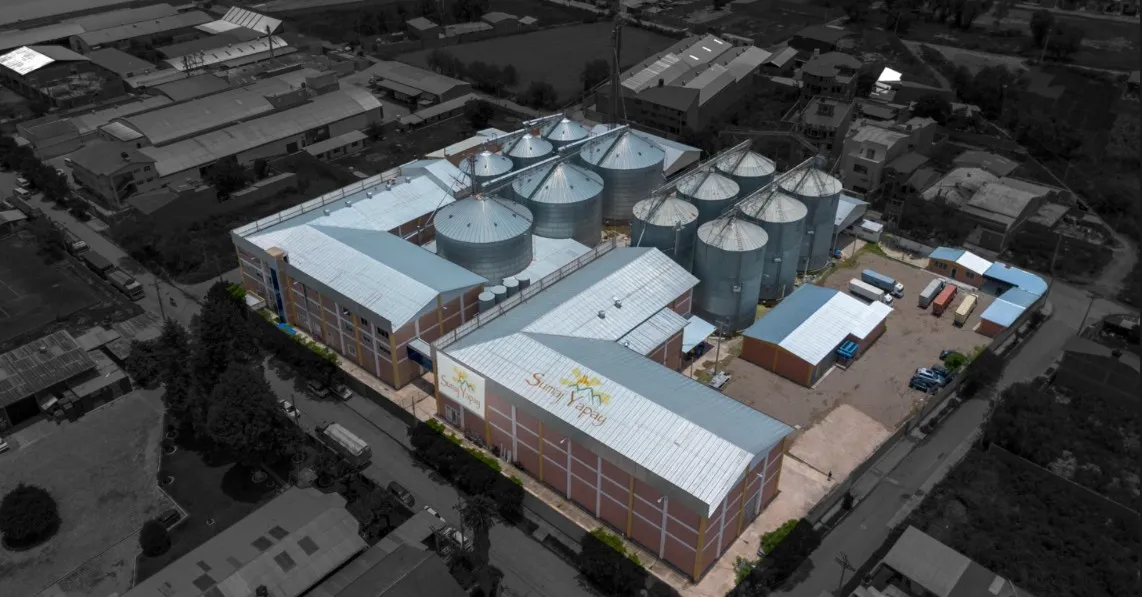
Founded in Cochabamba, Bolivia in 2012 and exporting Andean crops for over thirteen years, Sumaj Yapay built the first large-scale tarwi processing plant in Bolivia, a facility of 10,000 square feet dedicated exclusively to tarwi. The company took the traditional debittering method and engineered it: purpose-built machinery and controlled process in place of the river, delivering the same result with consistency, verified safety, and volume the old method could never reach. That work sits inside an operation certified to USDA Organic, EU Organic, FSSC 22000, and ISO 22000. Tarwi now ships from Cochabamba to the United States and Europe in three formats: whole grain, prepared beans, and powder.
×
Thank you for your interest in Tarwi!
We’ve received your information, and a member of our team will be in touch to learn more about your needs and discuss how Tarwi could work for your business.