0

Your Cart

No products in the cart.
Sumaj Yapay

Meet Tarwi Flour: The Bean That Found Its Way Into the Baking Aisle

Flour generally starts with the rather predictable.

Wheat. Almonds. Chickpeas. Possibly oats.

Tarwi takes a different route.

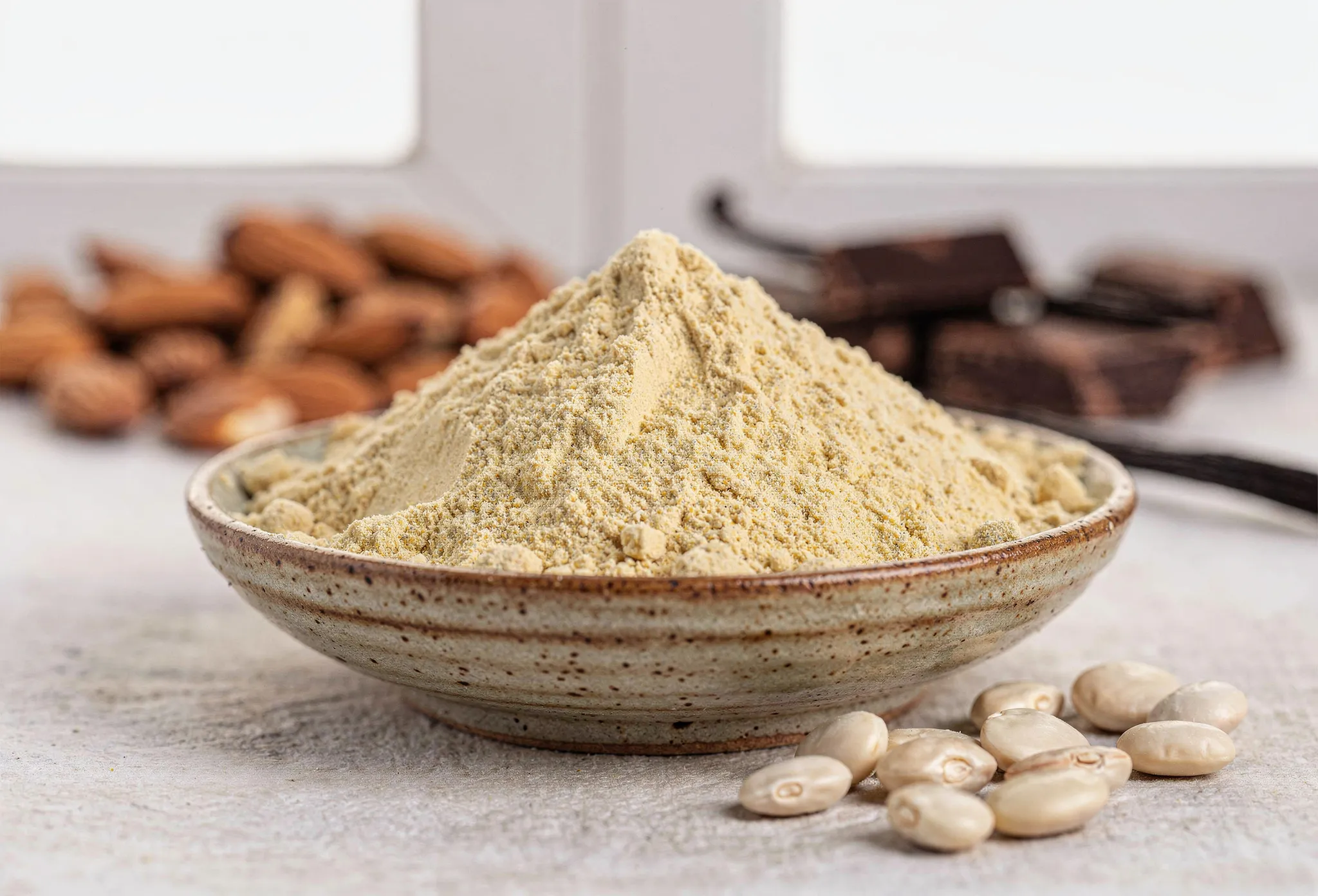
Also known as Andean lupin or chocho, tarwi (Lupinus mutabilis) is a bean from the Andes which has very high protein and very little starch. Grind the prepared tarwi to a fine powder, and you have an ingredient which looks like flour but doesn’t behave at all like the ordinary flour you’d have in your cupboard. Tarwi (main article)

That’s what makes it so interesting actually, and that’s precisely why a few simple tricks will take you from “huh, that’s dense” to “wait, can I have another one?”

This guide looks at what tarwi flour is and then the bit that most people actually want to know about: how to use it so that you end up loving the results.

What Is Tarwi Flour?

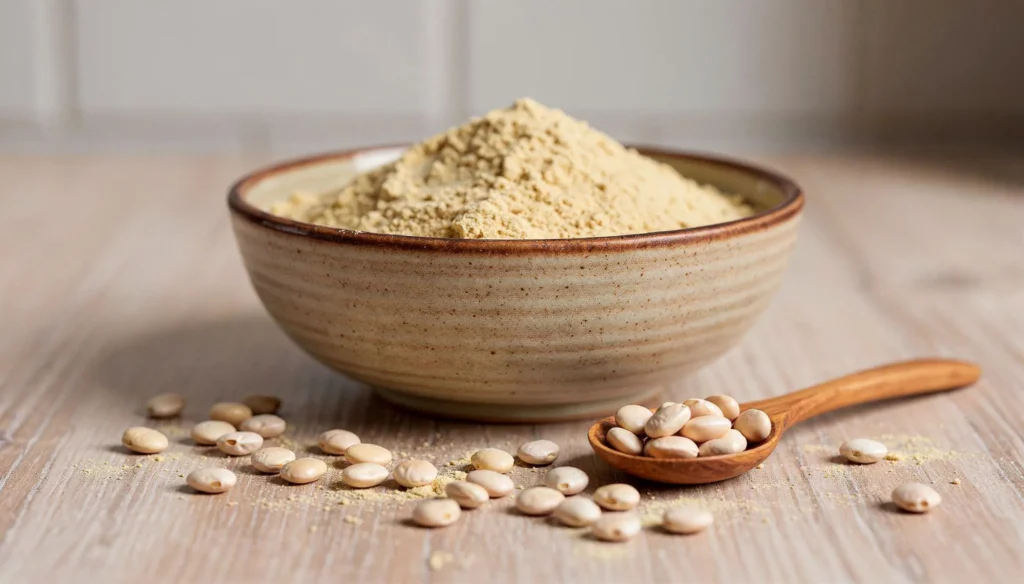
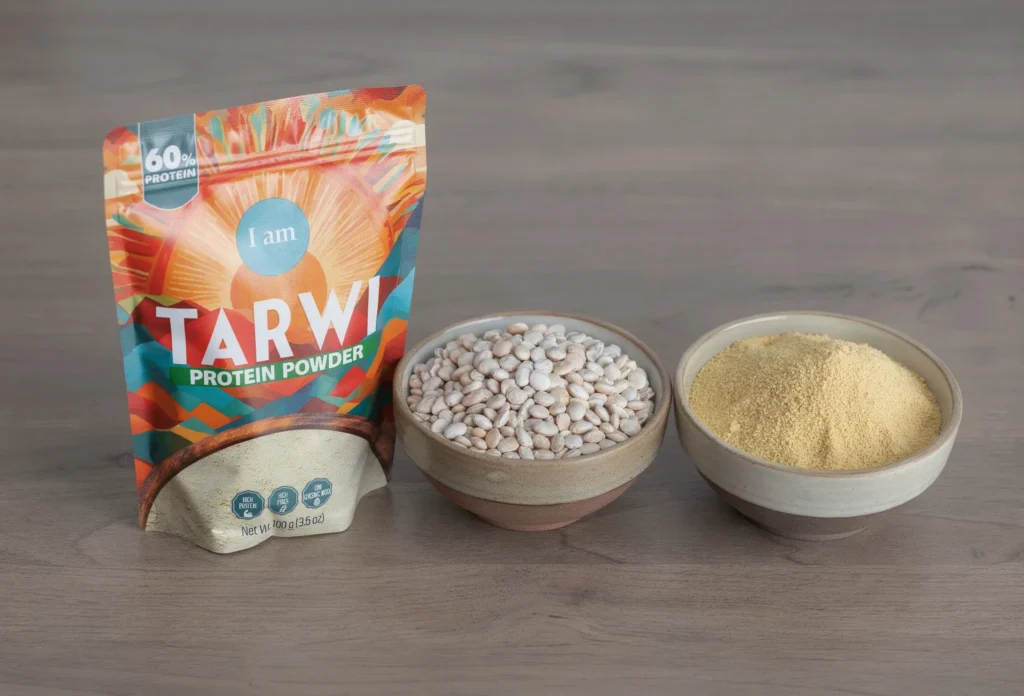
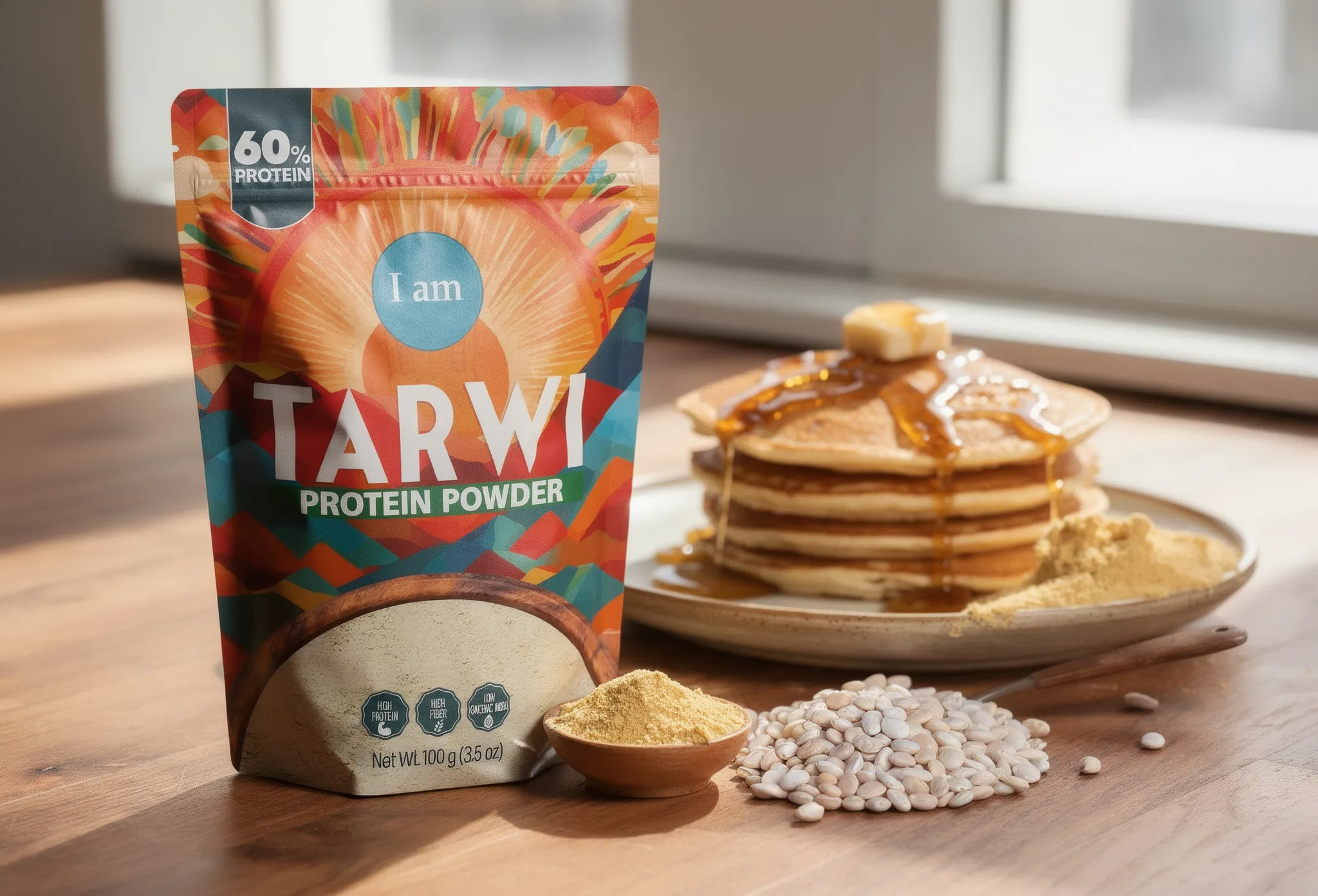
Tarwi flour is just tarwi that’s been properly prepared and ground into a fine powder.

What’s less normal is the protein content of the bean itself. On a dry weight basis, tarwi is generally around 40-50% protein (some varieties actually exceed 50%), about 14-24% fat, and very little starch. Tarwi (main article)

Compare that to wheat or the starchier legumes, which are traditionally ground into flour, and you can see why tarwi powder operates on a completely different principle. You’re grinding a bean that is predominantly protein, fat, and fiber.

What Is Tarwi Flour
Why is tarwi flour so high in protein

Why is tarwi flour so high in protein?

Because tarwi itself is. There’s no trick at all when the bean becomes powder.

Tarwi has around 42% protein on a dry weight basis (some varieties are in excess of 50%), which puts it right up there with soy and a long way ahead of the more conventional beans such as chickpeas and lentils.

Grinding simply gives you a different way to use the bean. Rather than throwing whole tarwi into a salad or eating our freeze-dried beans by the handful, you can just grind them and then use the powder in the foods you’re already making.

Occasionally you do want the crunch. Occasionally you don’t.

Why is tarwi flour so high in protein

Low Starch: The Detail That Changes How You Cook With It

Most flours are starch-based. Tarwi is very low in starch. It’s essentially a protein, fat, and fiber bean, which is what sets it apart from the chickpeas, lentils, and so on that we’re used to. Tarwi (main article)

Here’s what you should know before adding tarwi powder to your recipes:

  • It absorbs more moisture. The protein and fiber in it will absorb liquid, so you may find your batter thickens as it sits.
  • It behaves quite differently from ordinary flour. It’s virtually gluten-free and has very little starch, so it doesn’t give the same structure or rise as wheat flour.
  • It can brown more quickly. The high protein content will cause it to brown more rapidly, so watch it in the oven.
  • It’s not your typical thickener. Tarwi powder doesn’t have enough starch in it to thicken sauces or puddings in the same way as cornstarch.

None of those are problems. They’re just the rules of the game, and the next section shows you how to play it.

Low Starch The Detail That Changes How You Cook With It

Start here: suggested amounts

Let’s start with prepared beans rather than mixing dry and cooked numbers.

Smoothies and shakes 1–2 tablespoons per serving Blend with banana, cocoa, or nut butter
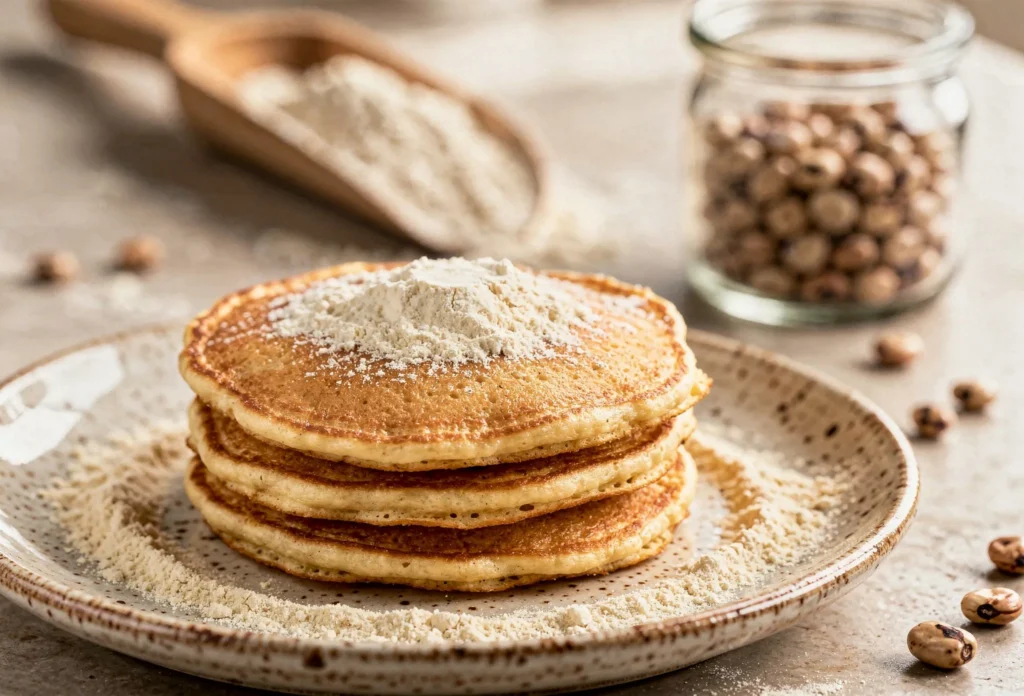
Pancakes and waffles Replace about 25% of the flour Let the batter rest 5 minutes, then thin with a splash of milk if needed
Muffins and quick breads[ Replace about 20–25% of the flour Add 1–2 extra tablespoons of liquid
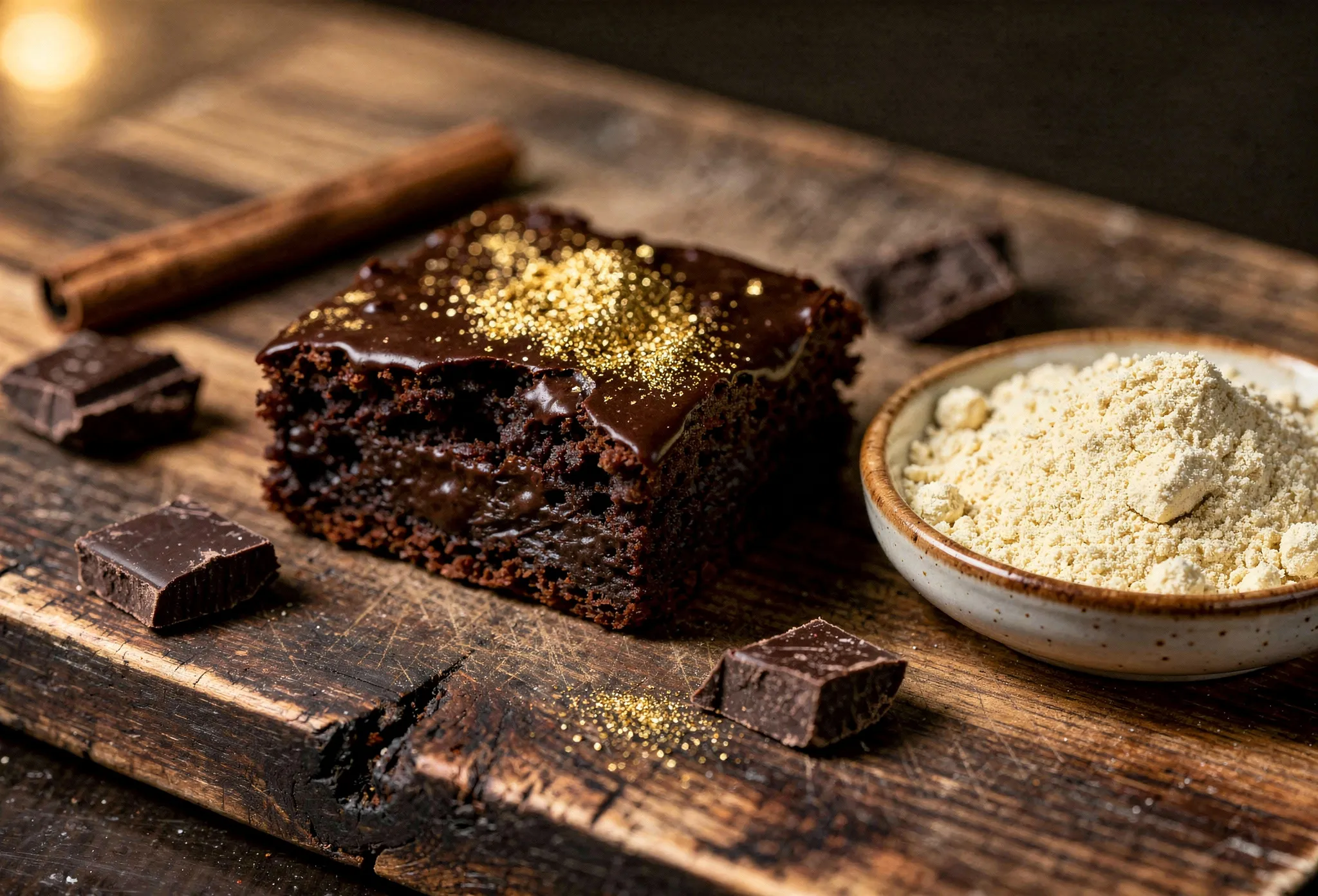
Cookies and brownies Replace about 20–30% of the flour Chocolate, peanut butter, and oats are great matches
Yeast breads Replace about 10–15% of the flour Keep wheat flour as the base so the dough can rise
Energy bites and no-bake bars 2–3 tablespoons per batch Add a little extra nut butter or honey to bind
Breading and savory coatings Mix half and half with breadcrumbs or flour Great on chicken, fish, or veggies

These are just starting points rather than rules. Once a recipe has been proven to work, then you can gradually increase the amount of tarwi the next time and see how far you’re prepared to go.

Five Tips for Baking with Tarwi Powder

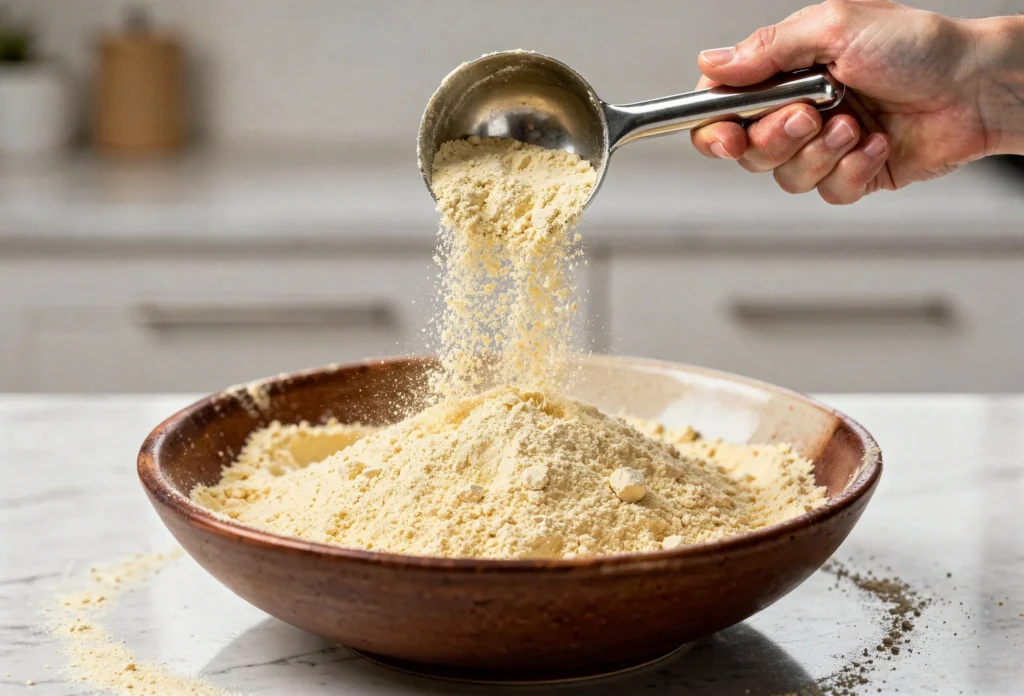
  1. Adjust the liquid as necessary. Tarwi powder will absorb more moisture than ordinary flour, so your batter may well be a bit thicker than you’d expect. Add the liquid one tablespoon at a time until you’ve got the right consistency.
  2. Let it rest for a few minutes. Let the batter sit for 5–10 minutes so the powder has a chance to absorb the liquid. This will help to produce a smoother, softer texture.
  1. Keep an eye on the oven. Tarwi’s high protein content will cause the goods to brown quite quickly. Check them a few minutes early, and if the tops are browning before the centers are done, then loosely cover them with foil.
  2. Mix it with other flours. Tarwi works best with wheat flour, oat flour, or a gluten-free flour blend. Eggs or flax eggs will also help to bind the mixture together.
  3. Whisk it in first. Mix the tarwi powder in with your other dry ingredients prior to adding the wet. This will ensure its evenly distributed and will prevent any clumps.
What flavors go well with tarwi

What flavors go well with tarwi?

Tarwi has a mild, slightly nutty flavor that works in both sweet and savory recipes.

  • For sweet recipes: chocolate, banana, cinnamon, vanilla, maple syrup, peanut butter and oats.
  • For savory recipes: garlic, fresh herbs, cheese, smoked paprika and cumin.

Not sure where to start? Try chocolate! Tarwi’s inherent nuttiness really does complement cocoa so well, making it a great ingredient for brownies, chocolate muffins and pancakes.

What flavors go well with tarwi

Beyond Baking: Other Ways to Use Tarwi Powder

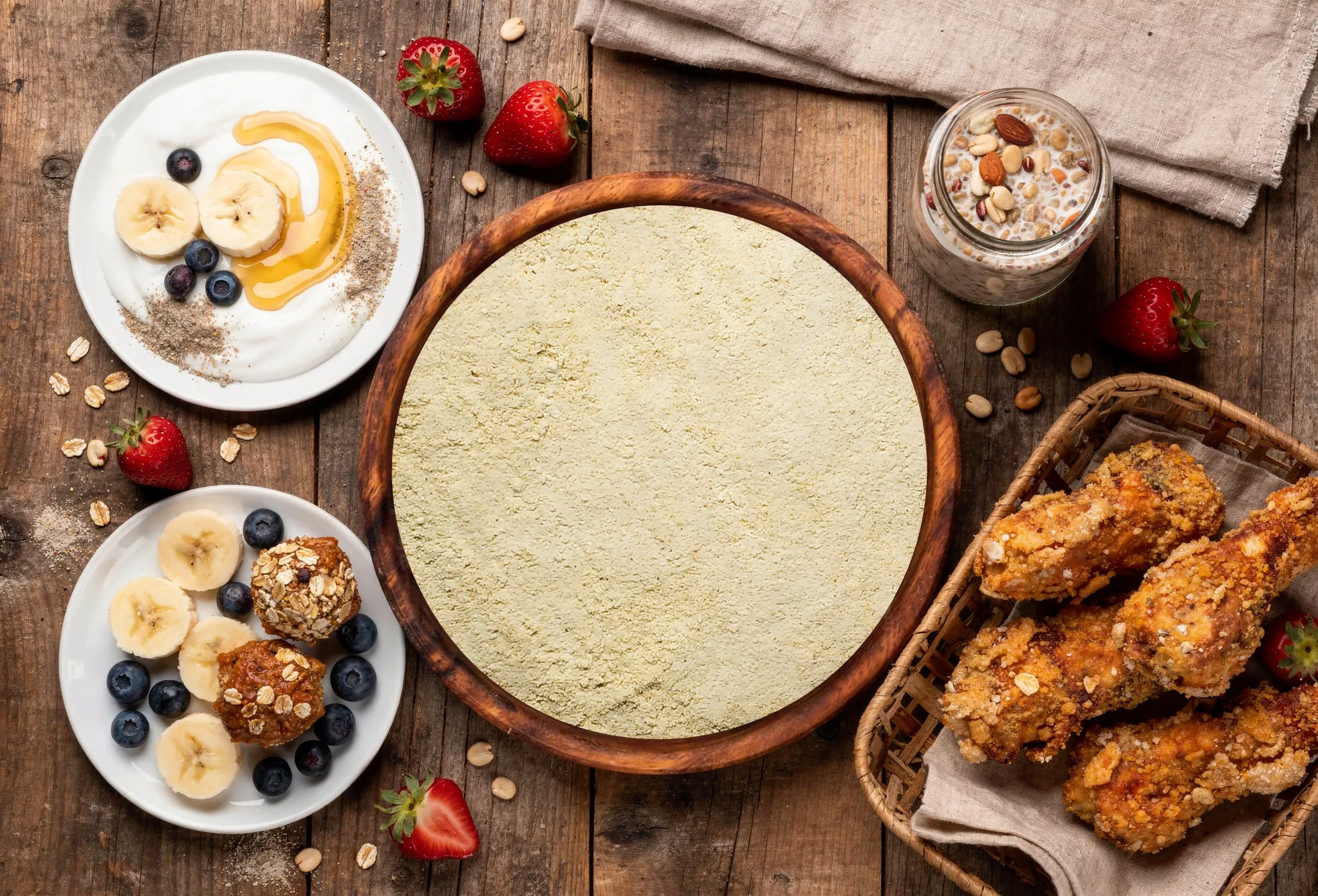
Tarwi powder isn’t just for baking – you can add it to the foods you’re already making.

  • Smoothies and overnight oats: add a spoonful for an extra boost of plant-based protein.
  • Yogurt bowls: just mix it into the yogurt and top with your preferred fruit and a good drizzle of honey.
  • Homemade energy bites: mix up some oats, nut butter and the like for a quick snack.
  • Crispy coatings: try adding it to your normal breading mix for chicken or roasted vegetables.

You don’t need to add tarwi powder to everything you eat, but it’s a fairly easy ingredient to play with if you’re after a bit more plant protein in your diet.

And once you’ve started finding ways to use it, it’s not at all surprising that you’ll find yourself wondering what else you could possibly add it to. We most certainly do!

Beyond Baking Other Ways to Use Tarwi Powder

The Bigger Difference Might Actually Be the Starch

Does tarwi flour taste like beans

Does tarwi flour taste like beans?

Not in the chickpea flour sense you might be picturing.

Prepared tarwi has a very mild flavor, slightly nutty, very faintly savory. Tarwi in powder form will have that flavor, so it’s not exactly flavorless. How much you use and what you’re using it with will determine how noticeable the flavor is.

That’s precisely why we’d suggest starting at about a quarter of the flour and going on the flavor pairings listed above. At that level you’ll generally just get a very subtle nuttiness, not ‘beans’.

Does tarwi flour taste like beans

There's an Important Step Before Tarwi Becomes Flour

You can’t just harvest raw tarwi, grind it up, and call it flour.

Raw tarwi contains naturally bitter compounds (quinolizidine alkaloids) which have to be removed before eating. That’s why debittering has been an essential part of traditional tarwi processing in the Andes for many generations. Tarwi (main article)

We prepare the tarwi prior to it becoming the powder that you end up with. You don’t buy the raw tarwi and then get handed a multi-day debittering job. We’ve already done that for you.

If you’re wondering why raw tarwi is so bitter and what happens prior to it being safe to eat, our guide to tarwi safety and alkaloids covers the whole process.

A quick allergy note: tarwi is a lupin and lupin is a legume (related to peanuts). People with peanut allergies can sometimes be allergic to lupin as well. If you have a legume or peanut allergy, you should check with your doctor before trying it. Tarwi powder vs. whole tarwi? Which should you choose? This is less competition and more of a ‘what are you making?’ situation.

Our freeze-dried whole tarwi is all about the crunch. You can just open the bag and eat it as a snack, add it to a salad, or use it in any number of ways where you’d like the bean to be present.

Tarwi powder is for instances when you want the tarwi to just blend in.

  • Smoothie? Powder.
  • Pancakes, muffins or cookies? Powder.
  • Crunchy desk snack you can eat whilst answering emails? Whole beans. Obviously.

Same Andean bean. Completely different jobs.

How should you store tarwi flour?

Tarwi naturally has more fat than most of the legumes we’re used to, and that makes a difference when you’re grinding it. The oils in the bean are what give it that more ‘body’ or mouthfeel, but they also mean the powder has to be stored with care.

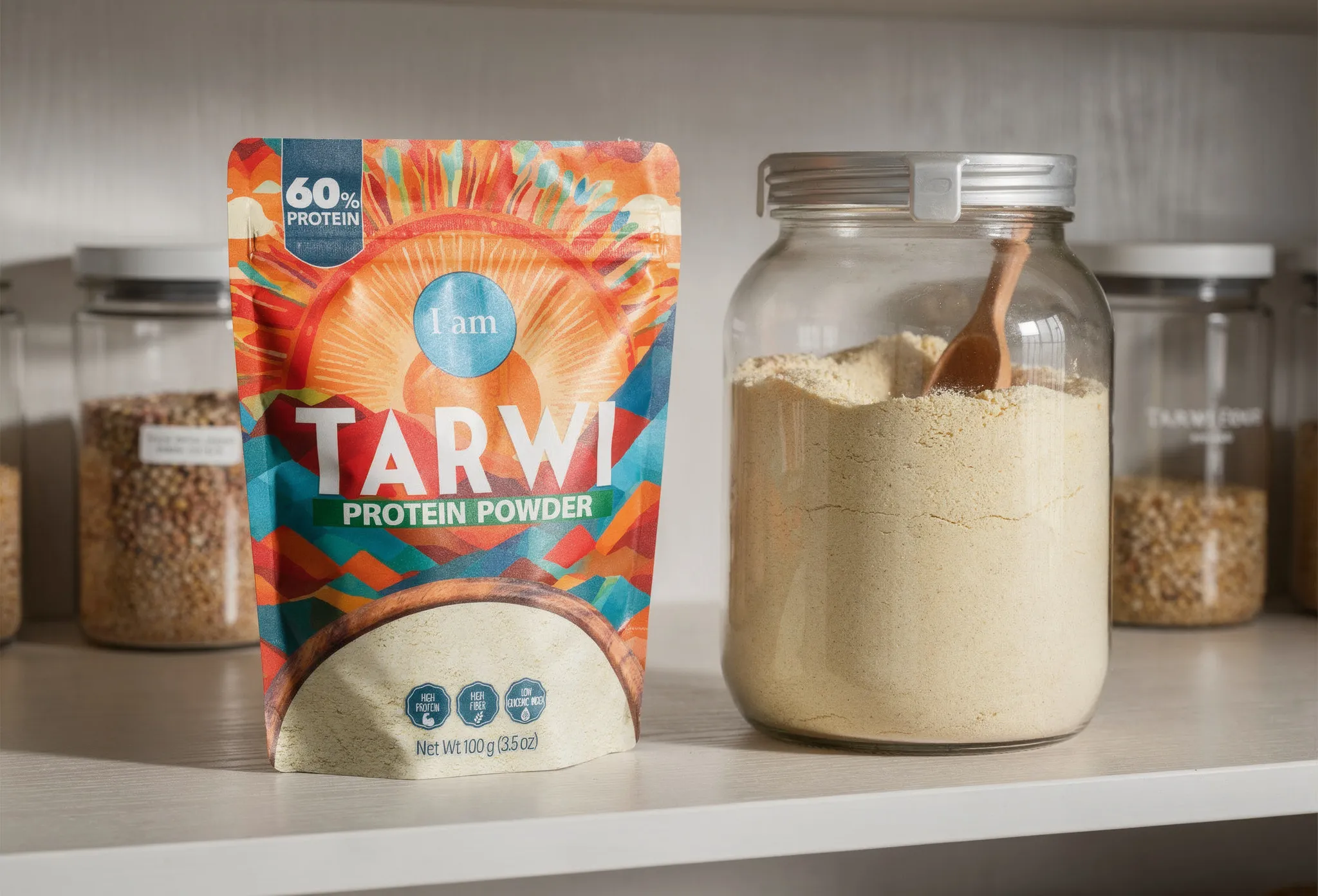
  • Keep the bag well sealed or transfer the powder to an airtight container.
  • Just store it somewhere cool, dry, and out of direct sunlight.
  • Just follow the storage instructions on the pack.
  • Give it a sniff before you use it. Fresh tarwi powder has a mild nutty smell. If it smells sharp or stale, then it’s time for a new bag.

This isn’t the bag of flour that we’d leave open by the stove for six months and just hope for the best.

Tarwi Flour: The Bottom Line

Tarwi flour starts with a bean that breaks a number of the normal legume rules. It’s high in protein and fat, contains fiber, and has very little starch.

To get the most from it, blend it in with your normal flour rather than replacing the flour entirely, add a bit more liquid, and be on the lookout for browning.

Do that and tarwi powder becomes a simple way of taking your everyday foods up a notch. It goes in your smoothie at times. It goes in your pancakes at times. You’ll put it in a recipe simply to see what it does.

We’re very much in favor of that.

If this is your first introduction to the bean behind the powder, start with our complete guide to tarwi to learn where tarwi comes from, how it’s traditionally prepared, and why this little Andean bean has us talking about it so much.

Tarwi Flour The Bottom Line
×

Thank you for your interest in Tarwi!

We’ve received your information, and a member of our team will be in touch to learn more about your
needs and discuss how Tarwi could work for your business.