Is Tarwi Keto-Friendly? Meet the Bean That Barely Does Starch
Beans and keto don’t usually get along. Chickpeas, black beans, and lentils are staples in plenty of kitchens, but if you’re watching your carbs, you’ve probably noticed how quickly a serving of beans eats into your daily allowance.
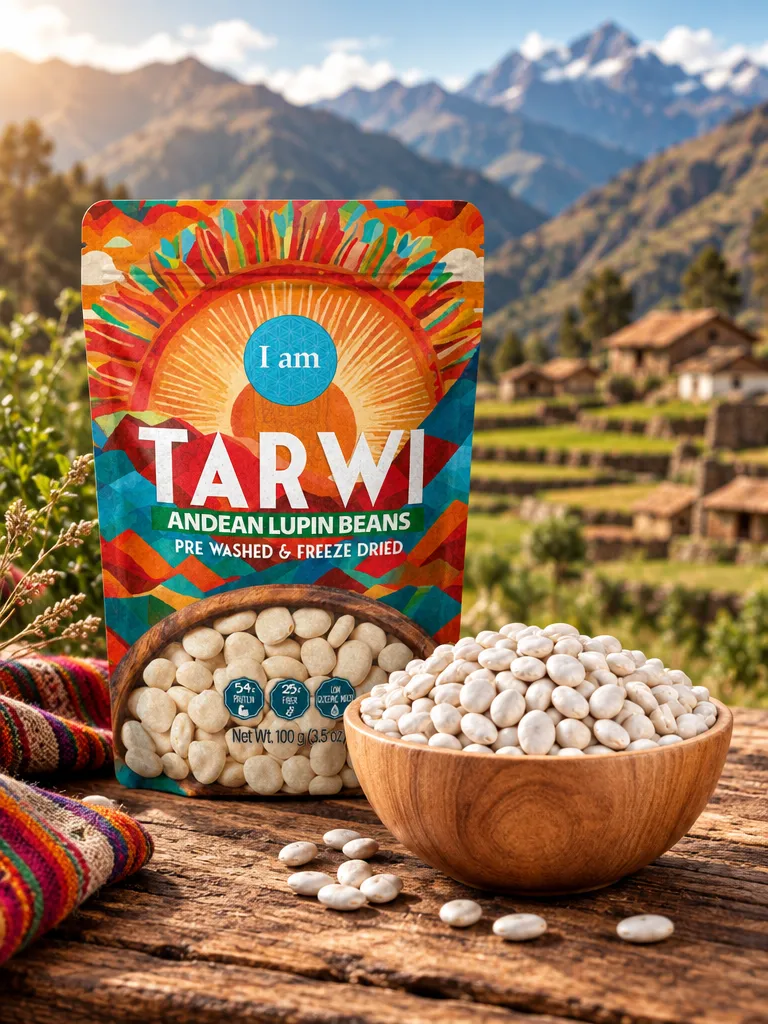
Tarwi is the exception. Also known as Andean lupin or chocho, tarwi (Lupinus mutabilis) is a legume native to the Andes that people in Peru, Ecuador, and Bolivia have eaten for generations. Unlike most beans, it stores very little of its energy as starch. Instead, it gets most of its nutrition from protein, fat, and fiber.
So can you eat it on keto? The numbers make a strong case.
Is Tarwi Keto-Friendly?
Yes. Our freeze-dried tarwi snacks contain just 1 gram of net carbs per 16-gram serving.
Half of each serving’s weight is protein, and three-quarters of its carbohydrates are fiber. That combination is unusual for a legume, which is why tarwi fits into many keto and low-carb eating plans.
Nutrition
Per 16 g serving
Calories
74
Protein
8 g
Total carbohydrates
4 g
Dietary fiber
3 g
Net carbs
1 g
Tarwi vs. Other Beans
We often think of beans as a mix of protein, fiber, and carbohydrates, and for most, that’s accurate. Tarwi breaks the pattern.
Bean
Protein per 100 g, cooked
Starch profile
Tarwi
~14–18 g
Very low
Soybeans
~17–18 g
Low
Chickpeas
~9 g
Moderate
Lentils
~9 g
Moderate
Black beans
~9 g
Moderate
Values are approximate and vary by variety and preparation. The table compares cooked beans, not our freeze-dried snack.
Tarwi and soy stand out. Both are relatively low in starch and contain considerably more protein than chickpeas, lentils, or black beans, which gives low-carb eaters another legume to work with.
The Starch Profile
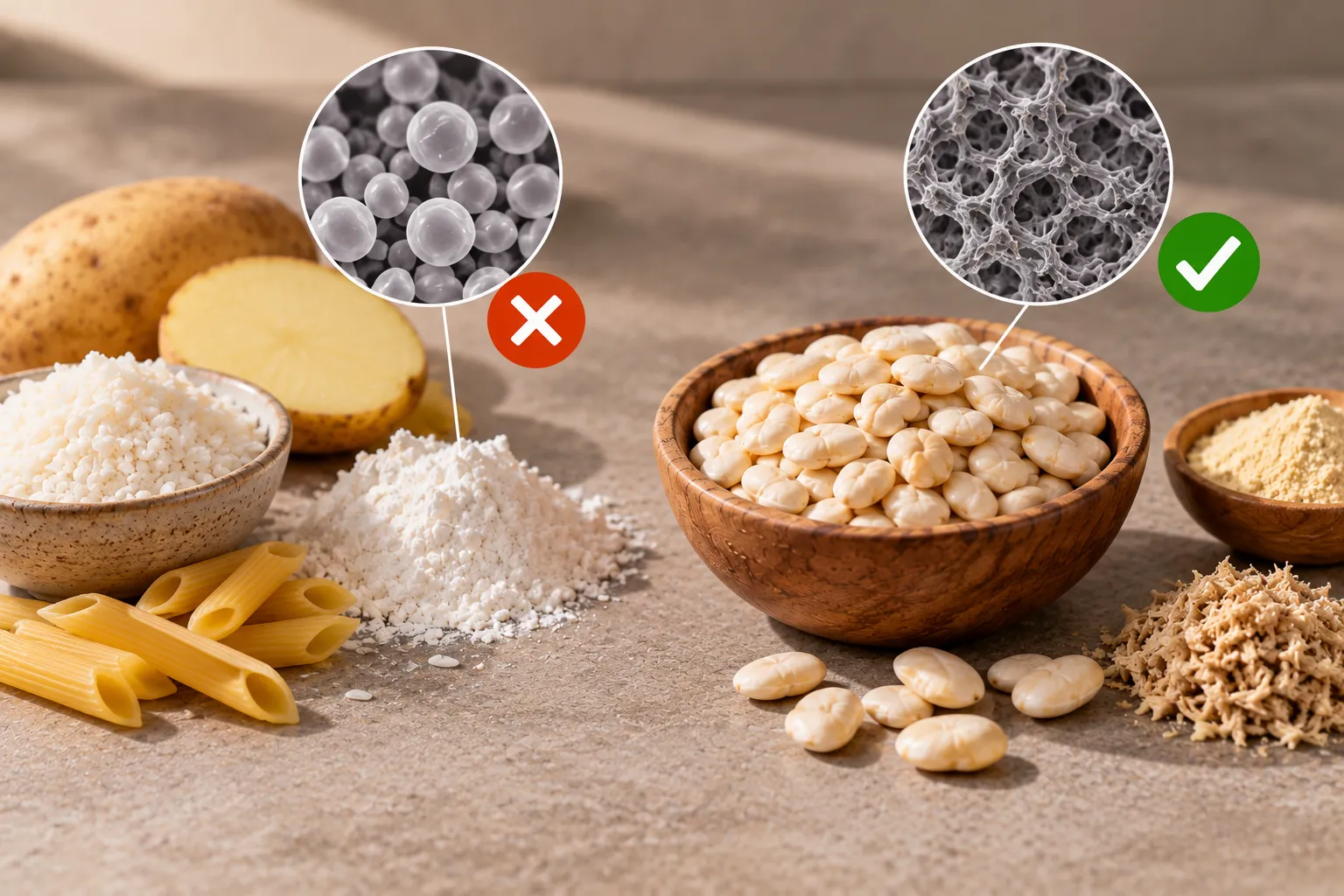
Starch is one of the main ways plants store energy. Potatoes, rice, wheat, and most beans are full of it, and your digestive system breaks most digestible starches down into glucose.
Tarwi seeds contain very little. Published research generally puts their dry-weight composition around:
Protein: 40–50%
Fat: 14–24%
Dietary fiber: 7–12%
Starch: very low compared with common starchy legumes
The exact numbers vary by variety and processing, but the overall picture is consistent. Two foods can both be called legumes and still deliver very different amounts of starch, and tarwi sits at the far low end.
Low Starch Doesn't Mean Zero Carbs
Starch is one type of carbohydrate, but not the only one. Tarwi also contains fiber and other carbohydrates, so a low-starch bean doesn’t automatically mean it’s zero-carb.
If you’re following keto, check net carbs per serving. In the United States, people commonly calculate net carbs by subtracting dietary fiber from total carbohydrates. For our snacks, that’s 4 g total carbs minus 3 g fiber, or 1 g net carbs.
One caution when comparing products: freeze-drying removes water, so 100 grams of freeze-dried tarwi is far more concentrated than 100 grams of cooked beans. Compare the serving sizes on the actual packages.
More Than Just Low Starch
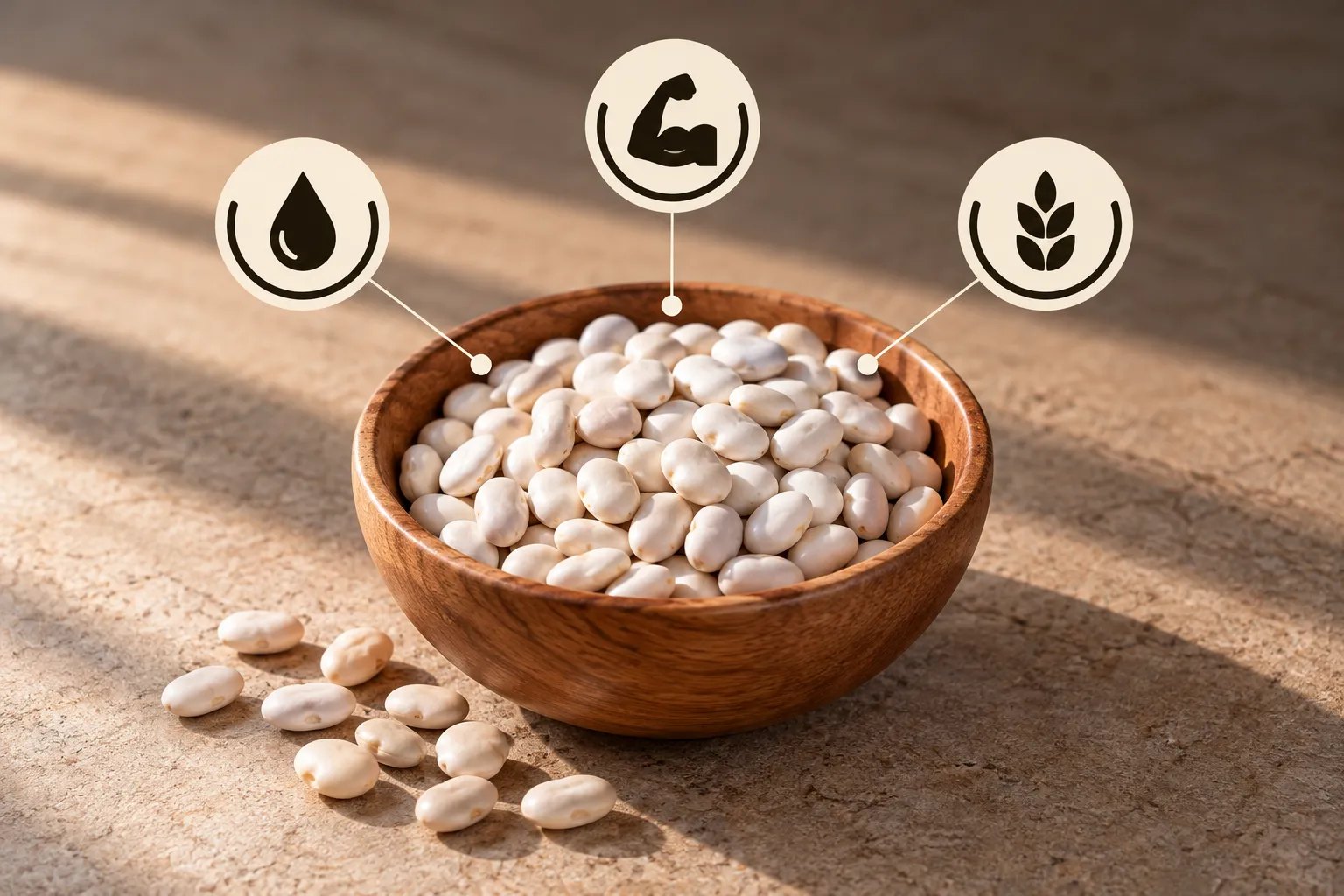
If you eat low-carb, you’re probably looking at more than carbohydrates. Tarwi also brings protein, fat, and fiber.
Protein
At 40–50% protein by dry weight, tarwi is in the same general category as soy and well ahead of most familiar beans. A 16-gram serving of our snacks delivers 8 grams of plant protein, so it does more than keep your carb count low.
Fat
Tarwi also contains more fat than most legumes, much of it unsaturated, including oleic and linoleic acids. That makes it a useful swap for starchier beans on a low-carb plan, though it also means tarwi is more calorie-dense than something like lentils.
Fiber
Each serving of our snacks has 3 grams of fiber. If you’ve tried to balance protein, fiber, and carbs on a low-carb diet, you know that combination is harder to find than it should be.
The Bigger Difference Might Actually Be the Starch
What About Blood Sugar?
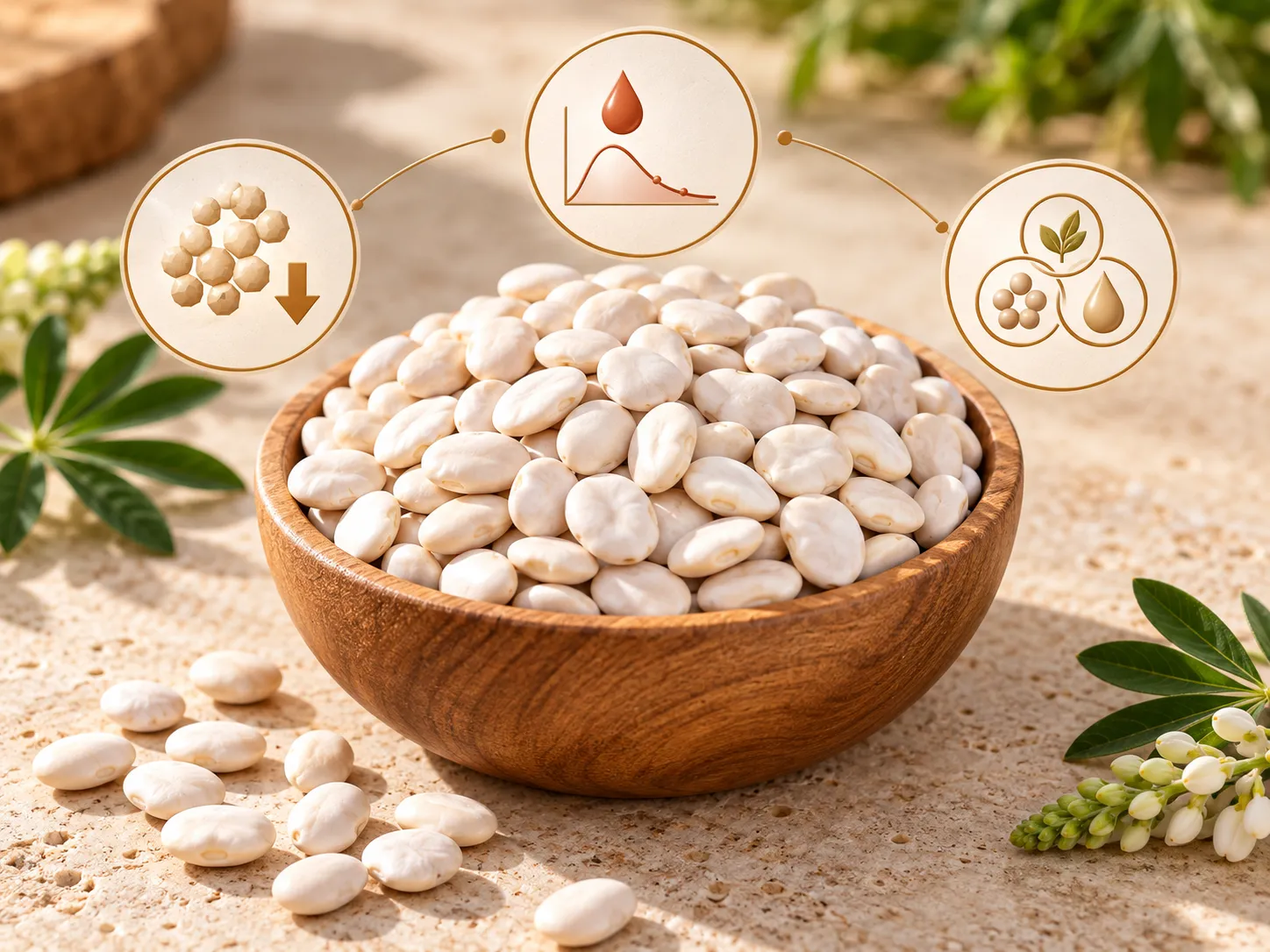
Because tarwi has so little starch, its carbohydrate profile differs from that of chickpeas, lentils, and black beans. Its protein, fat, and fiber can also affect how quickly the body digests a meal.
But a low-starch profile doesn’t prove that tarwi lowers blood sugar or produces a specific glucose response in everyone. Research on lupin has exhibited promising effects on post-meal blood glucose in some settings, but human studies on tarwi specifically are still limited.
So we’d rather tell you what’s actually in the bean than promise what your blood sugar will do after eating it.
How to Eat Tarwi on a Low-Carb Diet
In the Andes, tarwi traditionally shows up in ceviche de chocho, soups, and salads. We also wanted it to be something you could eat without a recipe.
Straight from the bag
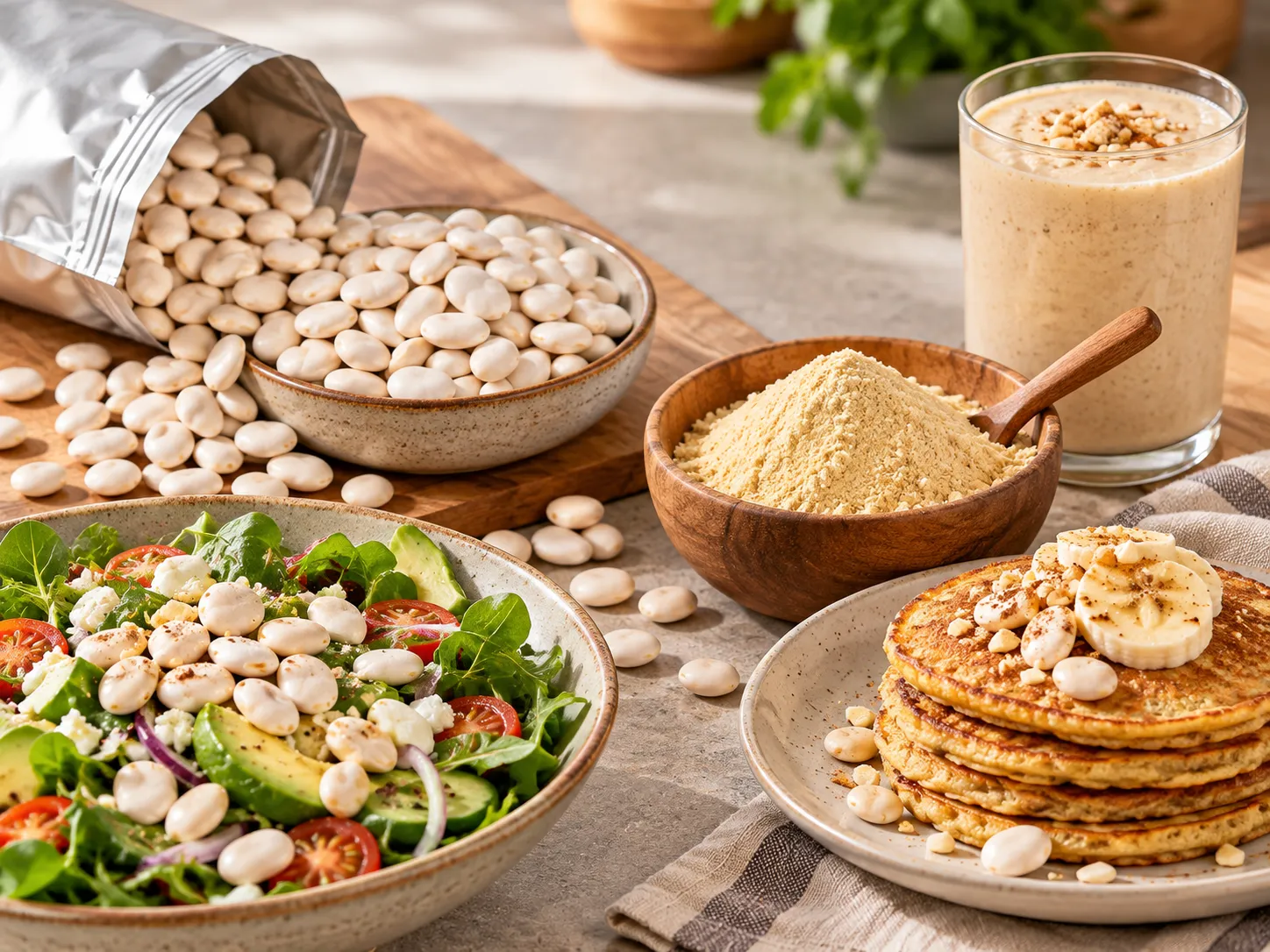
We make our snacks from prepared, debittered beans freeze-dried into a light, crunchy bite. Keep a pouch in your desk drawer or bag, or sprinkle some over a salad for extra crunch. No soaking or boiling required.
In the kitchen
Our tarwi powder works in pancakes, smoothies, and baked goods. Because it has very little starch and no gluten, it won’t behave like wheat flour, so treat it as one ingredient in a recipe rather than a one-for-one flour swap.
Adding tarwi powder also doesn’t make a whole recipe keto-friendly. The other ingredients still count, and the powder’s nutrition may differ from our snacks’.
Is Tarwi Better Than Chickpeas for Keto?
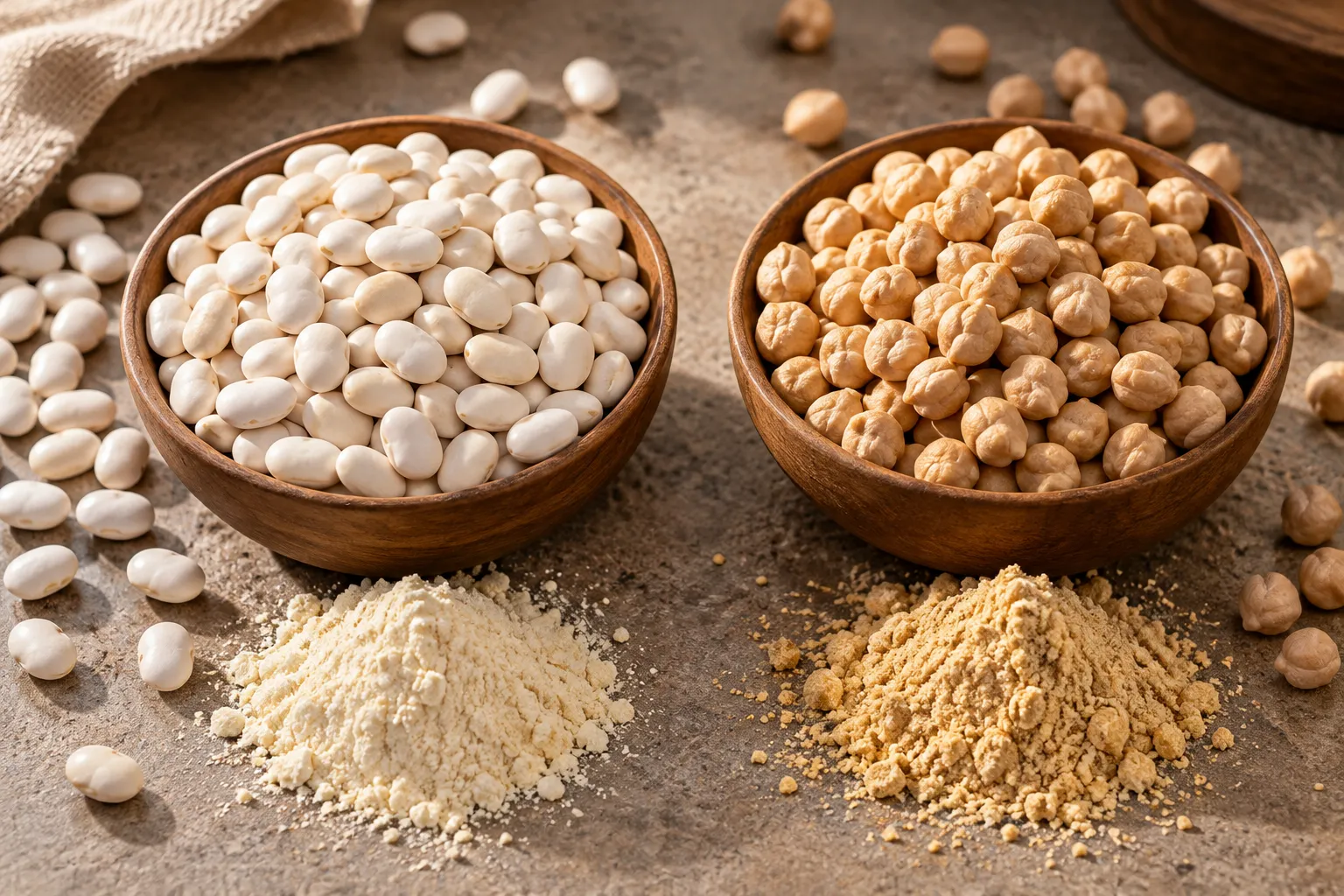
On starch, yes. Chickpeas contain considerably more, and cooked tarwi also delivers more protein per 100 grams.
That doesn’t mean you need to break up with chickpeas. They still do fine work in hummus, falafel, and about half the salads on the internet. Tarwi is simply the better pick when you’re building meals around lower-starch ingredients. For the full comparison, see our tarwi vs. chickpeas article.
Already Prepared, Ready to Eat
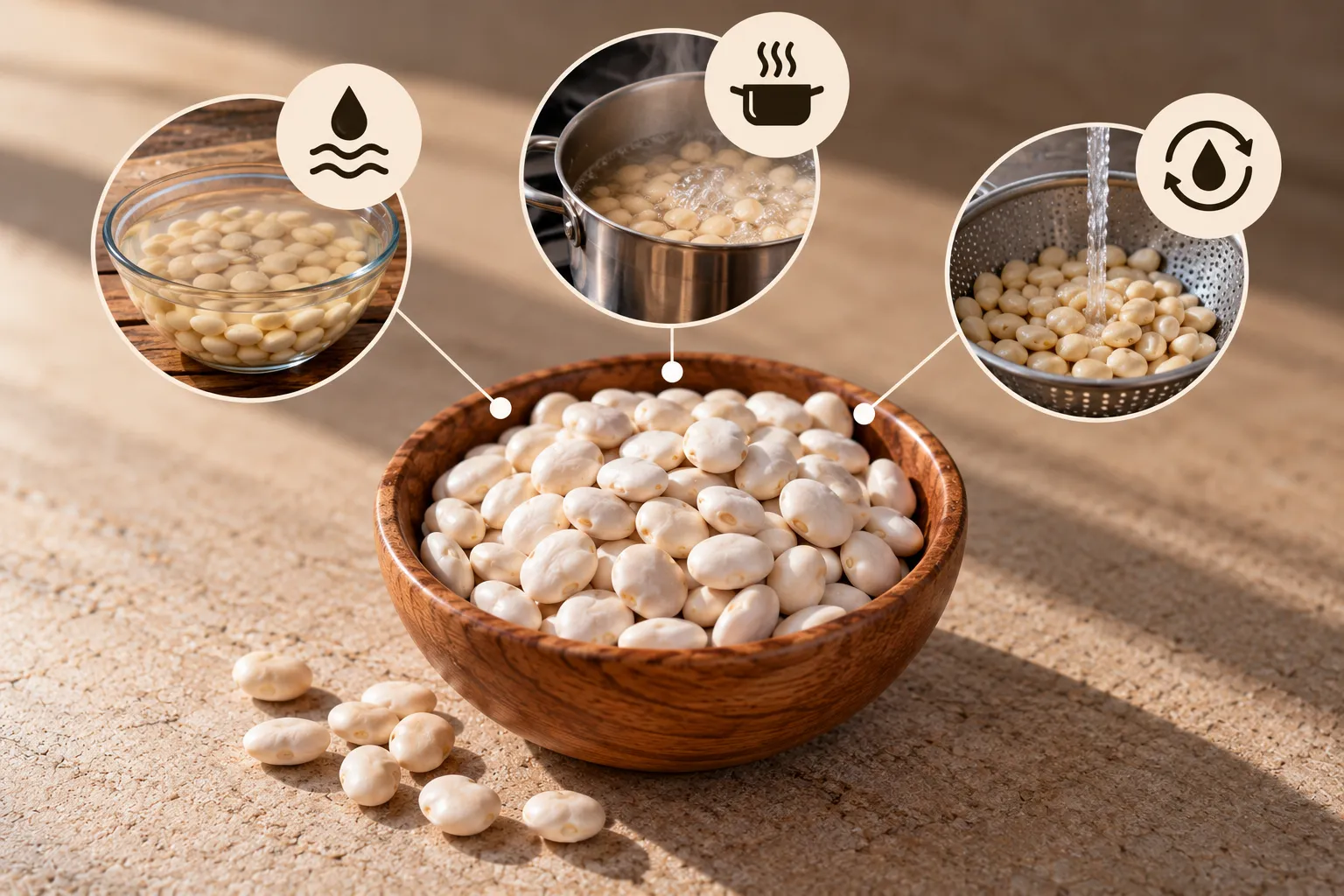
Raw tarwi naturally contains bitter compounds called quinolizidine alkaloids, which you must remove before eating the bean. Traditionally, that means soaking, cooking, and repeatedly rinsing the beans in fresh water.
You don’t have to do any of that with ours. We fully prepare and debitter every bag of our tarwi before freeze-drying, so our snacks are ready to eat the moment you open them. Grab a pouch, and you’re done.
Curious how the process works? Read our tarwi safety and alkaloids guide. The Bottom Line
Tarwi is naturally rich in protein, contains fiber and unsaturated fats, and has far less starch than chickpeas or lentils. Our freeze-dried snacks deliver that same nutritional profile in every 16-gram serving: 8 grams of protein, 3 grams of fiber, and just 1 gram of net carbs.
That doesn’t make it unlimited on keto, since serving sizes and net carbs still matter. But if you want to add more legumes to a low-carb eating plan, tarwi is a good place to start.
Want to learn more about what makes tarwi different? Start with our complete guide to tarwi.
×
Thank you for your interest in Tarwi!
We’ve received your information, and a member of our team will be in touch to learn more about your needs and discuss how Tarwi could work for your business.